Artemis Program: Return to the Moon
Explore NASA's Artemis program, the historic mission to return humans to the Moon, build the Lunar Gateway, and prepare for the ultimate journey to Mars.
Explore NASA's Artemis program, the historic mission to return humans to the Moon, build the Lunar Gateway, and prepare for the ultimate journey to Mars.
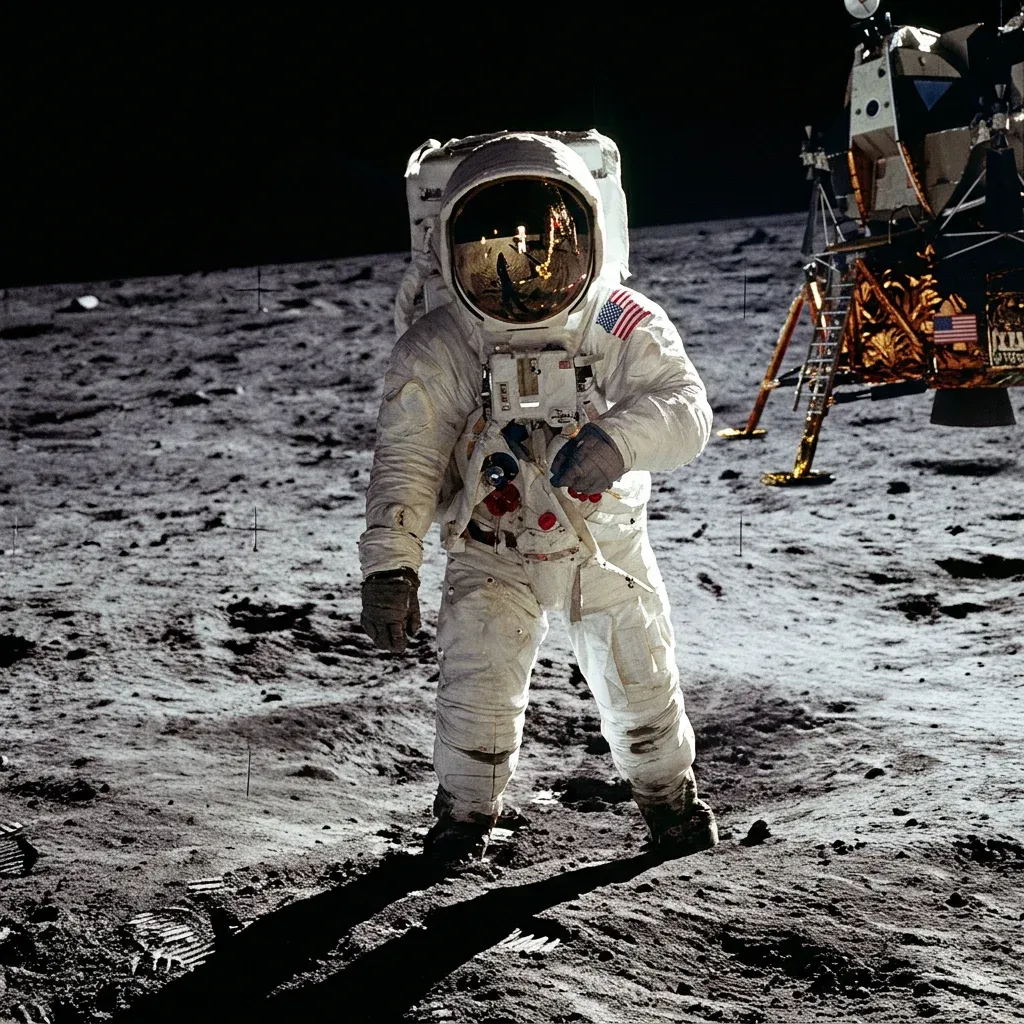
Humans have not visited the moon surface for more than half a century. The first and last time we put our foot on the moon was in December 1972 by the Apollo 17 astronauts. Since then humans have been exploring moon through robots. But we are again going to set our foot on the moon very soon, in the NASA’s Artemis program.
In the early 2026, Artemis 2 performed the first crewed test flight for 10 days to fly around the far side of the moon. There were 4 crew memebers in Artemis 2.
Named after the twin sister of Apollo and the goddess of the Moon in Greek mythology, the Artemis program represents humanity’s long-awaited return to the lunar surface. However, unlike the Apollo missions of the 20th century, which were largely driven by Cold War competition and focused on short-term scientific excursions, Artemis is built on a foundation of sustainability, international cooperation, and long-term vision.
The goal of the NASA Artemis program is not just to plant a flag and leave. NASA, along with international partners like the European Space Agency (ESA), the Japan Aerospace Exploration Agency (JAXA), and the Canadian Space Agency (CSA), is going to the Moon to stay. We will explore the technology, the missions, and the ultimate vision of the Artemis program, which serves as a critical stepping stone toward crewed missions to Mars.
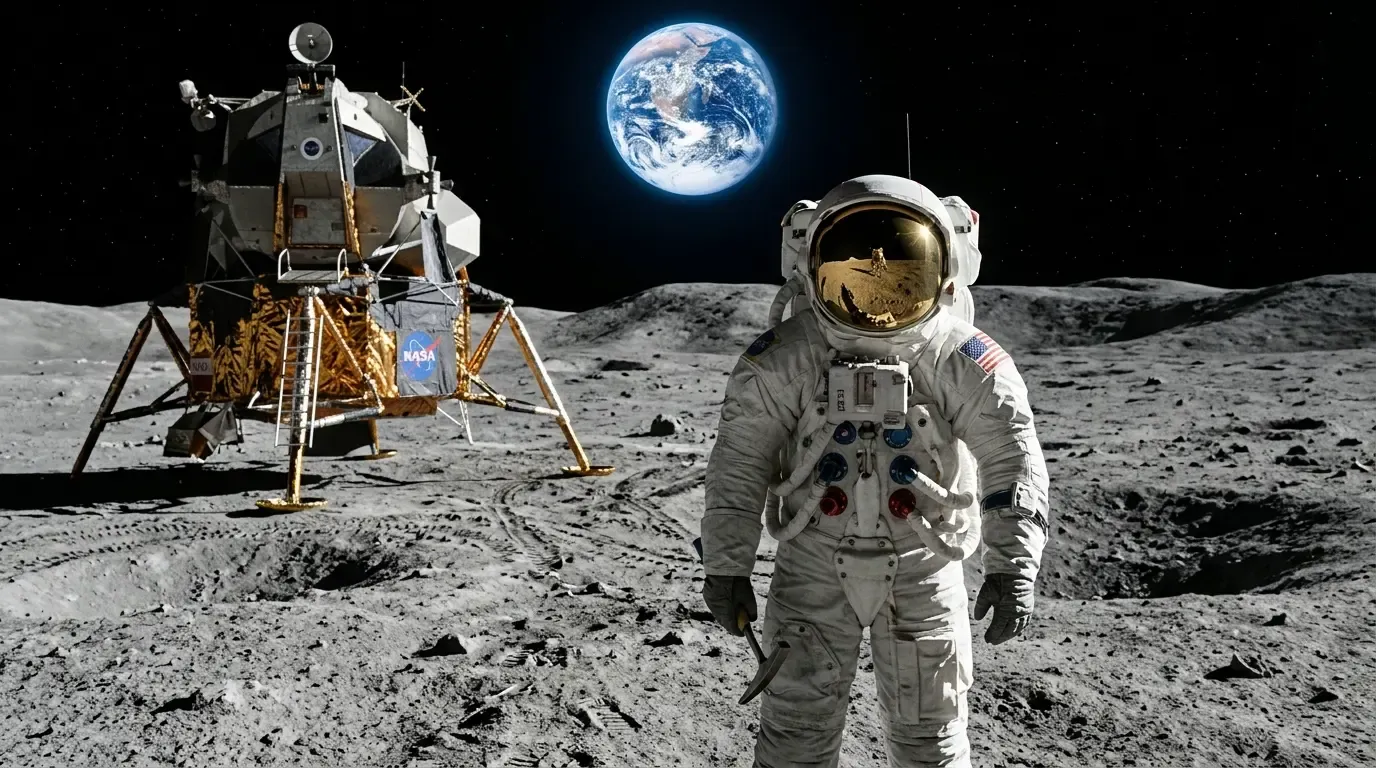
What do you think - how much do we know about our Earth? Have we explored every corner of our planet? Can we confindently say that we truly know our own planet?
We have been living on the Earth for so long and yet can’t graph it completely. During the Apollo 17 mission, the astronauts spent just two weeks there and collected samples and observed exclusively near the Moon’s equator. We didn’t even reached the far side of the moon.
That’s why we need more time and a closer observation to truly understand the moon. Understand the moon better will help us plan for the future space exploration.
The Moon is a geological time capsule. Unlike Earth, which constantly recycles its crust through tectonic activity and erosion, the Moon’s surface has remained largely unchanged for billions of years. By studying lunar rocks and craters, scientists can unlock the history of the early solar system, understand the formation of the moon, and potentially find clues about the origin of life on Earth.
The primary target for the Artemis missions is the lunar South Pole. This region is of immense scientific interest because its permanently shadowed craters harbor trapped reserves of water ice. Discovering accessible water on the Moon is not only a scientific goldmine but also a critical logistical asset for future deep space exploration.
Perhaps the most crucial reason for returning to the Moon is to use it as a proving ground for Mars. Traveling to Mars is an order of magnitude more difficult than traveling to the Moon. A trip to the Moon takes about three days; a trip to Mars takes roughly seven months, and astronauts will have to survive entirely autonomously for years.
The Artemis program will test the technologies, habitats, life support systems, and operational protocols required for long-duration deep-space missions. Learning how to extract and utilize local resources on the Moon is known as In-Situ Resource Utilization (ISRU). This includes breaking down lunar water ice into hydrogen and oxygen for rocket fuel and breathable air. This process is essential before attempting a Martian expedition.
The backbone of the Artemis program consists of two primary technological marvels: the Space Launch System (SLS) and the Orion spacecraft.
The SLS is the most powerful rocket ever successfully launched by humanity. Designed specifically for deep space missions, the SLS generates a staggering 8.8 million pounds of thrust at liftoff—15% more than the legendary Saturn V rocket that powered the Apollo missions.
The SLS features a massive core stage fueled by liquid hydrogen and liquid oxygen, flanked by two towering solid rocket boosters. Its immense power is required to overcome Earth’s gravity. This power sends the heavy Orion spacecraft, along with essential cargo and crew, on a trans-lunar trajectory. The rocket is designed to be evolvable. Future configurations will be capable of carrying even heavier payloads to the Moon and eventually to Mars. This prepares us for future intergalactic colonization.
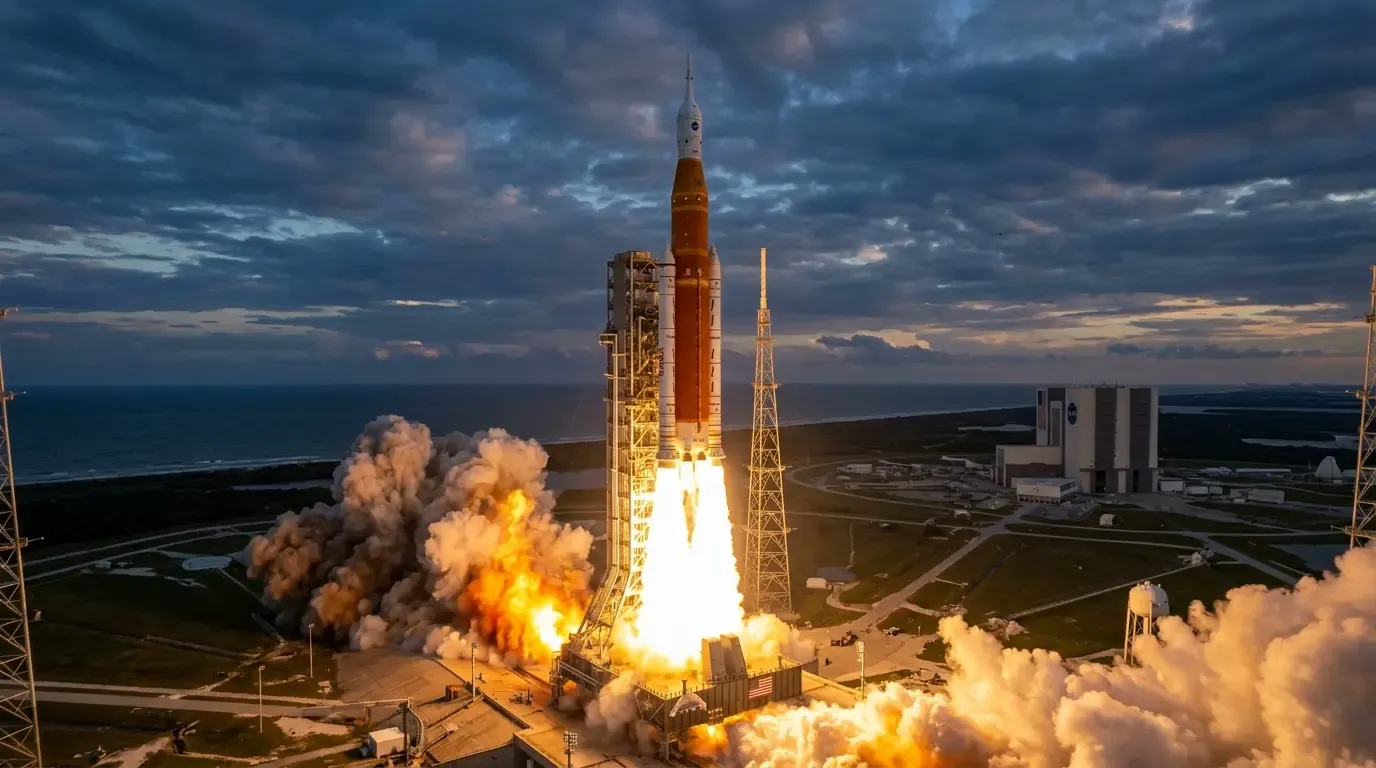
If the SLS is the muscle, the Orion spacecraft is the brain and the sanctuary. Orion is the crew module designed to safely transport up to four astronauts from Earth to lunar orbit and back. It is equipped with state-of-the-art life support, navigation, and communication systems capable of sustaining the crew in the harsh environment of deep space for up to 21 days without docking to a station.
Orion consists of three main components:
Crucially, Orion features an advanced heat shield designed to withstand the brutal temperatures of re-entry into Earth’s atmosphere, which can exceed 2,760°C (5,000°F) as the capsule slams into the air at nearly 25,000 miles per hour upon returning from the Moon.

NASA has structured the Artemis program as a series of increasingly complex missions, each building upon the success of the last to gradually establish a permanent lunar presence.
Successfully executed in late 2022, Artemis I was the inaugural flight of the integrated SLS and Orion system. This uncrewed mission was a critical stress test of the hardware. The SLS launched Orion on a 25-day journey. This journey took the spacecraft thousands of miles beyond the Moon. It went farther into space than any human-rated spacecraft had ever traveled before returning safely to Earth. The mission successfully validated the rocket’s performance and Orion’s orbital navigation. Most importantly, it tested the capability of the heat shield during atmospheric re-entry.
Artemis II will mark the first time humans have traveled beyond low-Earth orbit in half a century. A crew of four astronauts—including the first woman, the first person of color, and the first international partner astronaut (from Canada) to travel to deep space—will board the Orion spacecraft.
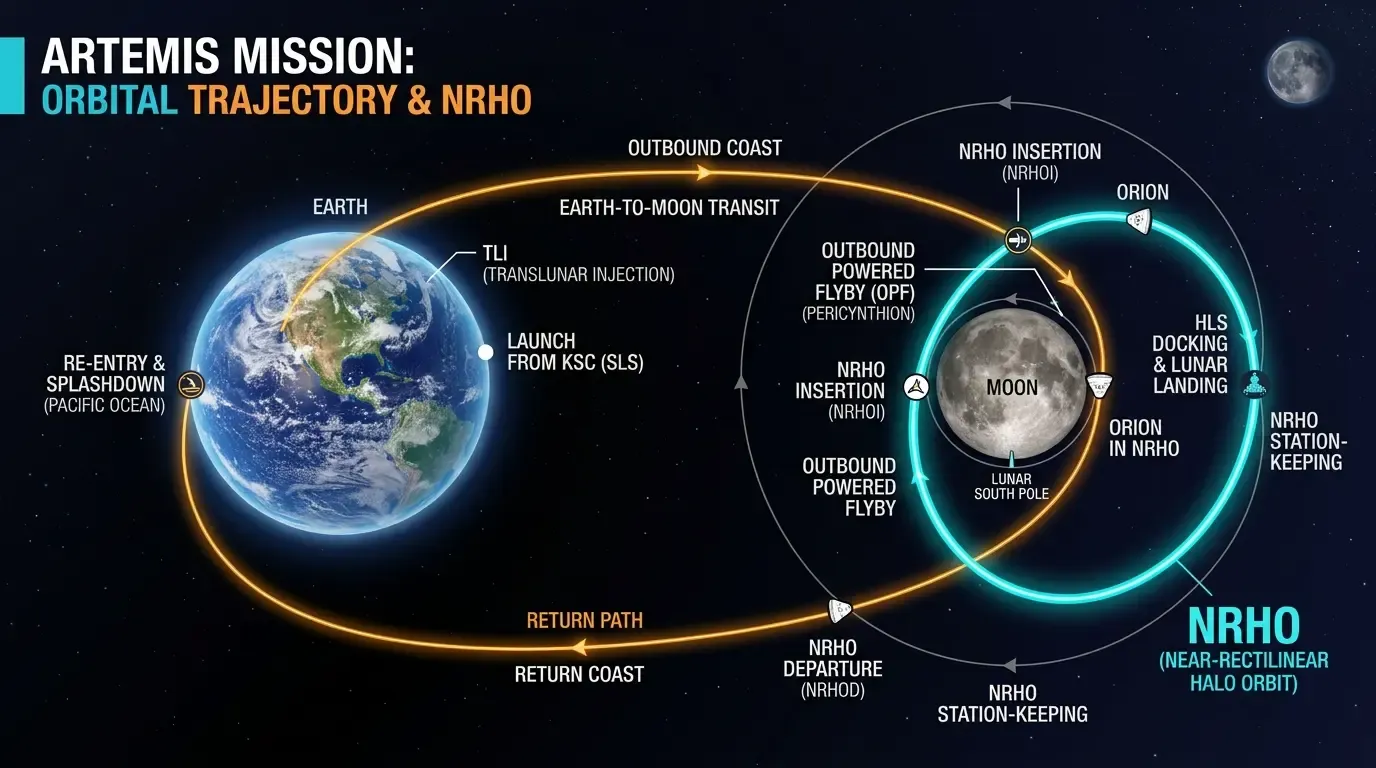
This roughly 10-day mission will not land on the Moon. Instead, it will perform a lunar flyby, entering a “free-return trajectory.” The gravity of the Moon will slingshot the spacecraft back toward Earth, thoroughly testing Orion’s life support systems with a human crew in the deep space environment.
Artemis III is the historic mission that will return humanity to the lunar surface. For this mission, Orion will transport the crew to lunar orbit. There, two astronauts will transfer to a specialized Human Landing System (HLS)—initially contracted to SpaceX’s Starship lunar lander variant—which will carry them down to the lunar South Pole.
During their week-long stay on the surface, the astronauts will conduct unprecedented scientific research, collect samples, and scout for water ice. The successful execution of Artemis III will definitively prove that humanity has the capability to access the lunar surface in the 21st century.
[!NOTE] Did You Know? The space suits designed for the Artemis missions, known as the Exploration Extravehicular Mobility Unit (xEMU), are vastly superior to the Apollo suits. They offer far better mobility, allowing astronauts to bend their knees and walk naturally, rather than “bunny hopping” across the lunar surface.
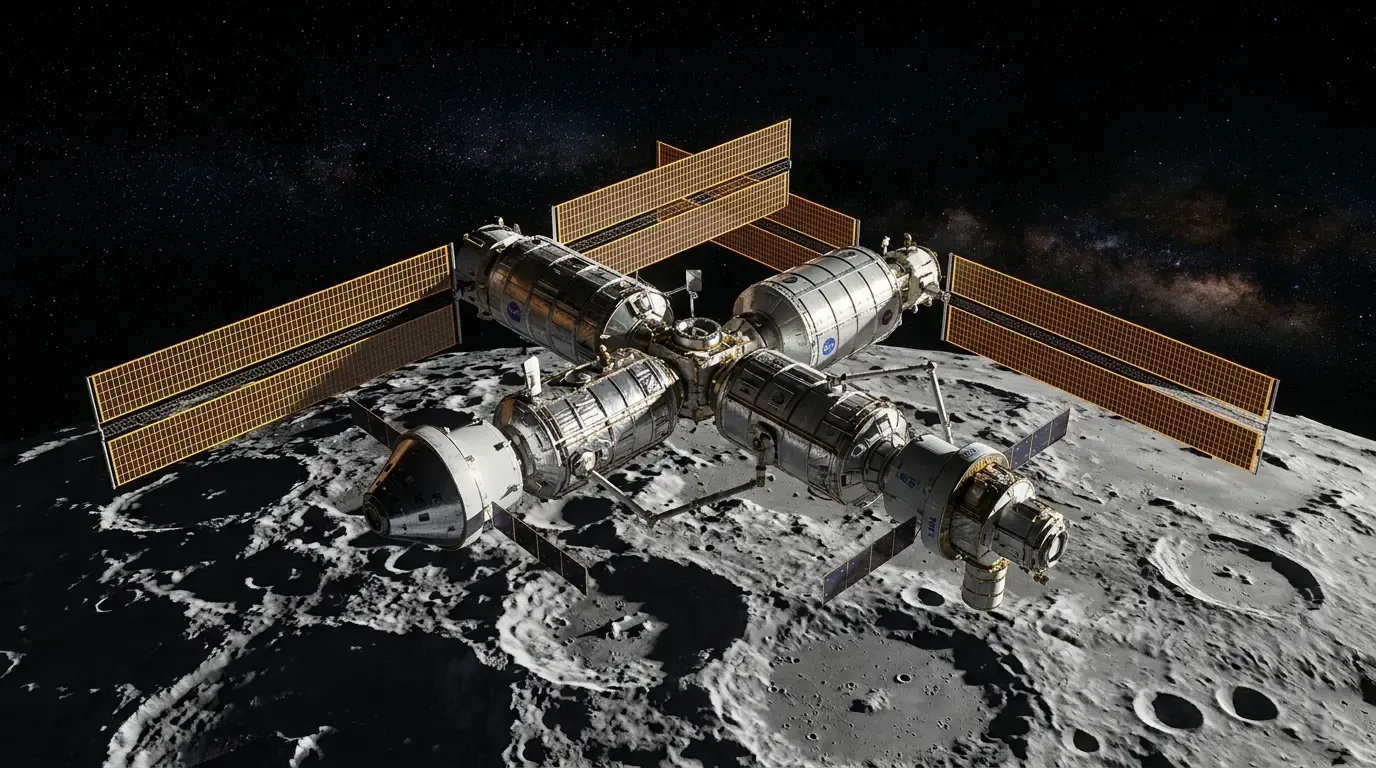
Unlike the Apollo architecture, which relied entirely on direct flights from Earth to the Moon, the long-term Artemis architecture revolves around the Lunar Gateway.
The Gateway will be a small, modular space station in orbit around the Moon. Think of it as an International Space Station (ISS) for deep space. It will serve as a staging point, a communications relay, a science laboratory, and a temporary habitat for astronauts traveling to and from the lunar surface.
The Gateway will be positioned in a highly elliptical Near-Rectilinear Halo Orbit (NRHO). This orbit provides continuous line-of-sight communication with Earth. It also allows access to various locations on the lunar surface, including the critical South Pole. Future missions will involve launching astronauts to the Gateway via Orion. There, they can dock, transfer to a waiting lunar lander, and descend to the surface. The Gateway is being built collaboratively by NASA, ESA, JAXA, and CSA. This underscores the international nature of the Artemis program.
Looking beyond Artemis III, the program aims to establish the Artemis Base Camp on the lunar surface. This foundational infrastructure will include a permanent lunar base, power grids utilizing solar and nuclear fission technologies, advanced rovers, and a lunar terrain vehicle for long-range exploration.
The ultimate goal is to create a sustainable ecosystem where crews can remain on the Moon for months at a time, conducting deep scientific research and testing the complex life support and resource extraction technologies required for Martian colonization.
Currently, NASA is targeting the late 2020s for the Artemis III lunar landing, though timelines are subject to change based on technological development and testing requirements.
Water ice is a crucial resource. It can be purified for drinking, but more importantly, it can be split into hydrogen and oxygen to provide breathable air and highly efficient rocket propellant for deep space travel.
Apollo was a short-term program driven by the Space Race, focusing on quick visits to the lunar equator. Artemis is an international, sustainable effort aimed at long-term exploration, targeting the lunar South Pole, and building permanent infrastructure like the Gateway and surface habitats.
Applaud the article to let us know. You can clap multiple times!