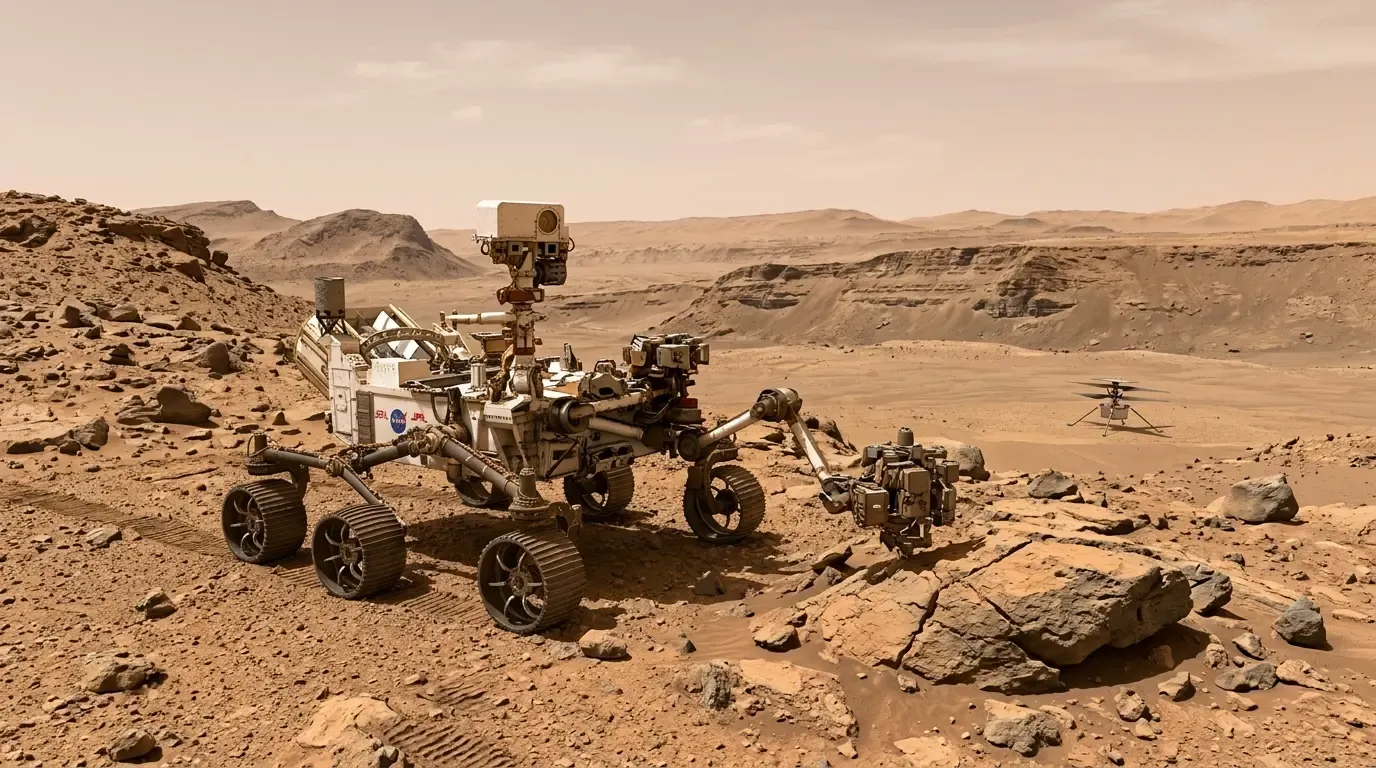
Why Explore Space? The Crucial Imperative for Humanity's Future
Space exploration is not just about human curiosity—it is essential for technological advancement, planetary defense, and securing the long-term survival of our species.
Space exploration is not just about human curiosity—it is essential for technological advancement, planetary defense, and securing the long-term survival of our species.
When humanity first cast its gaze upward, the night sky was a tapestry of myth and mystery. Today, that vast expanse is no longer just a canvas for our imaginations—it is a critical frontier for our survival, technological evolution, and economic prosperity.
Despite the monumental costs and risks associated with launching rockets into the freezing void, the imperative to explore space has never been stronger. Why do we invest billions of dollars in orbital laboratories, robotic rovers, and deep-space telescopes when there are pressing issues on our home planet?
The answer lies in the undeniable reality that pushing the boundaries of what is possible in space directly improves life on Earth. From driving unprecedented technological innovation and safeguarding our planet from cosmic threats to laying the groundwork for a multi-planetary future, the exploration of space is the ultimate investment in humanity’s tomorrow.
The same satellite networks that allow us to instantly communicate across the globe were originally pioneered strictly for space exploration. How many modern conveniences do we take for granted that were born from the space race?
The harsh environment of space demands ingenuity. The technologies engineered to keep astronauts alive, power distant probes, and communicate across millions of miles inevitably find their way back to Earth, transforming our daily lives.
NASA’s Technology Transfer Program is a testament to this process. Countless “spin-off” technologies trace their origins back to the space program:
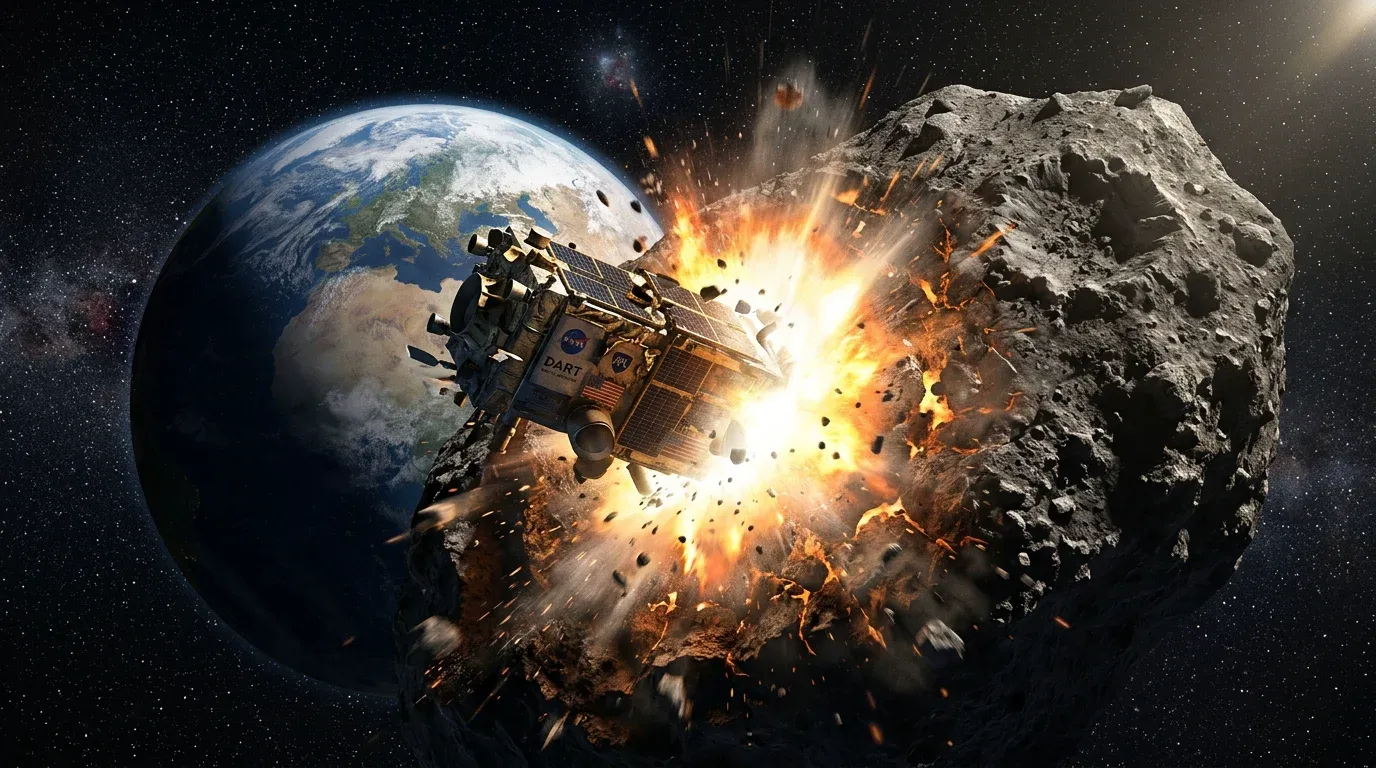
The dinosaurs famously lacked a space program—and they paid the ultimate price. The cosmos is teeming with Near-Earth Objects (NEOs), asteroids, and comets left over from the formation of our solar system. While catastrophic impacts are rare on a human timescale, the geological record shows that they are an inevitability over millions of years.
Space exploration provides the tools necessary to track, study, and ultimately deflect these cosmic threats. In September 2022, NASA’s Double Asteroid Redirection Test (DART) mission made history. For the first time, a human-made spacecraft deliberately collided with an asteroid (Dimorphos) to alter its orbit.
The success of the DART mission proved that planetary defense is not just theoretical—it is an actionable capability. By continuing to explore space and map the orbits of potentially hazardous asteroids, we ensure that humanity will not suffer the same fate as our prehistoric predecessors.
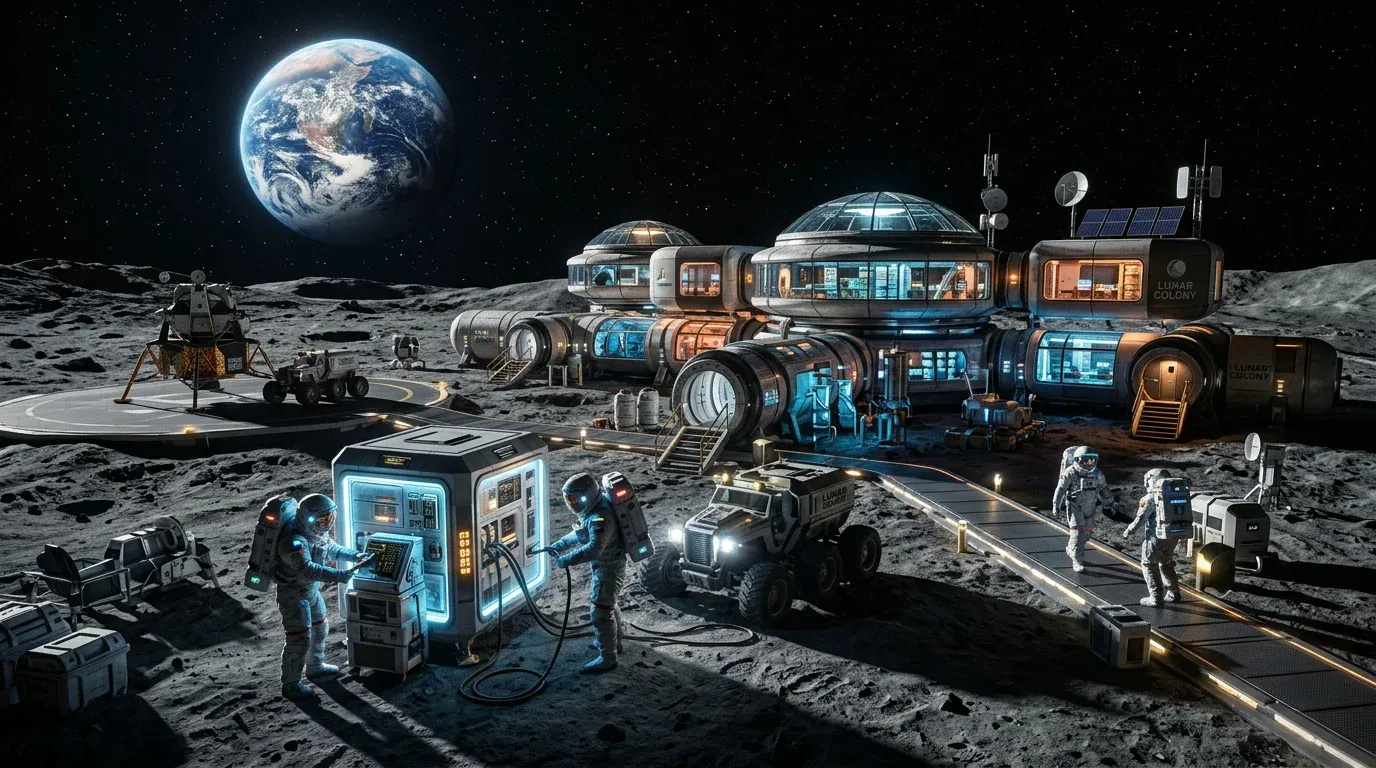
As long as humanity is confined to a single planet, our species remains vulnerable to extinction-level events, whether they be asteroid impacts, supervolcano eruptions, or self-inflicted ecological collapse. Becoming a multi-planetary species is the ultimate insurance policy for human survival.
The immediate focus of this effort is the Artemis program, an international initiative led by NASA to return humans to the Moon and establish the first long-term lunar presence. Artemis is not a repeat of Apollo; it is a foundational step. By learning how to live and work in the harsh lunar environment, extracting water from ice at the lunar south pole, and testing new life support systems, we are preparing for the next giant leap: crewed missions to Mars.
Establishing self-sustaining colonies on the Moon and Mars will push human engineering to its absolute limits, fostering a new era of innovation in closed-loop ecological systems, radiation shielding, and sustainable agriculture.
When looking back at the history of the Apollo missions, critics often pointed to the immense financial cost of the space race. However, the scientific legacy of Apollo provided humanity with an entirely new understanding of planetary formation and Earth’s place in the cosmos. The technological leaps achieved during that era justified every dollar spent, proving that when humanity unites behind a massive space endeavor, the resulting innovations propel our entire civilization forward.
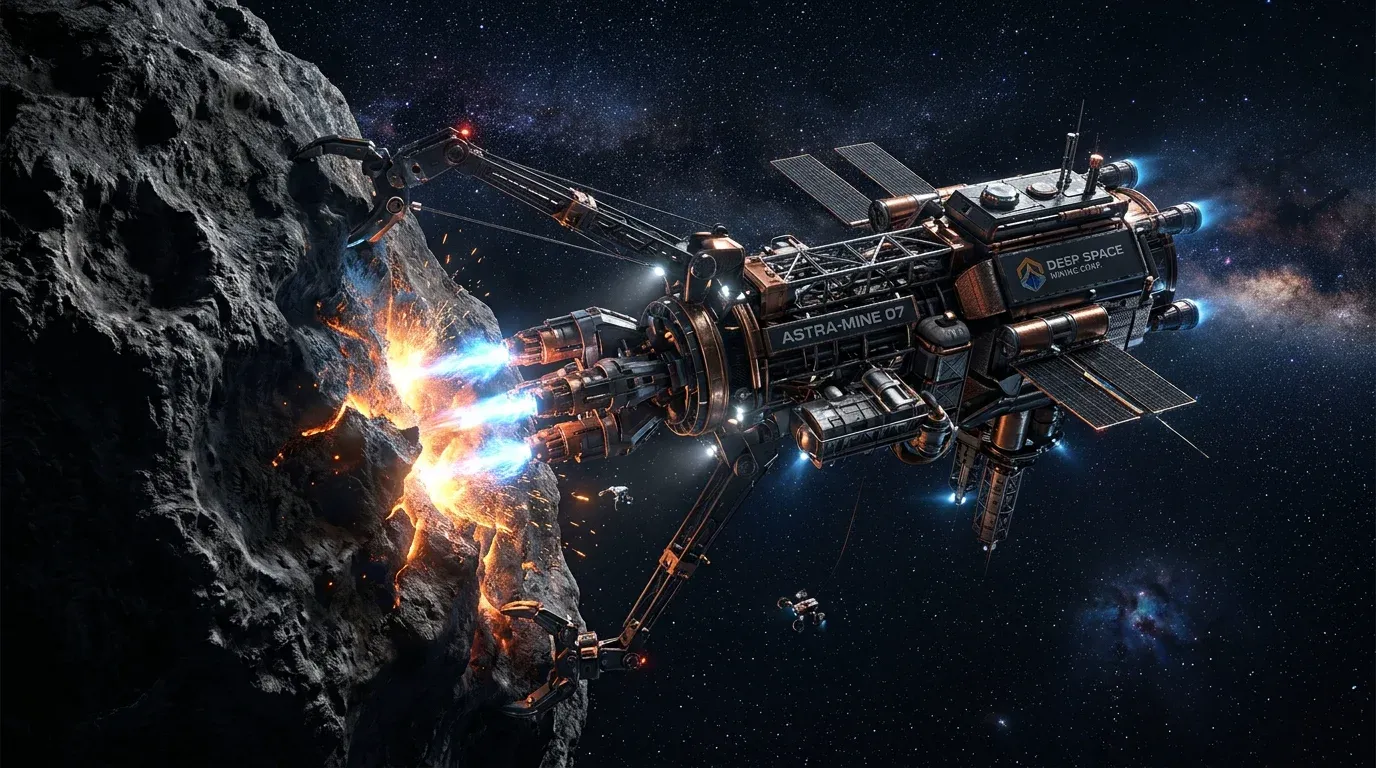
Beyond scientific discovery, space is rapidly becoming an economic frontier. The resources available in our solar system dwarf those found on Earth. Near-Earth asteroids are incredibly rich in platinum-group metals, iron, nickel, and water.
The prospect of asteroid mining promises to revolutionize our economy. By extracting these heavy metals in space, we could significantly reduce the destructive ecological impact of terrestrial mining. Furthermore, the water ice found on asteroids and the Moon can be broken down into hydrogen and oxygen to create rocket propellant. This would allow spacecraft to refuel in orbit, drastically reducing the cost of deep-space missions and paving the way for a booming cis-lunar economy.
As private companies and national space agencies alike invest in this infrastructure, the commercialization of space will likely become one of the largest economic drivers of the 21st century.
Finally, we explore space because it is an intrinsic part of the human condition. We are a species defined by our curiosity and our relentless drive to push beyond the horizon.
Every time we launch a probe to the outer planets, point a telescope at a distant galaxy, or send astronauts into the void, we are answering the fundamental questions that have haunted humanity since our inception: Where did we come from? How does the universe work? Are we alone in the dark?
Space exploration challenges us to look past our terrestrial borders and see ourselves as a unified species residing on a fragile, pale blue dot. It inspires the next generation of scientists, engineers, and dreamers to tackle the impossible. We will continue to explore, not just because it is necessary for our survival, but because the pursuit of knowledge is the defining characteristic of humanity.
Space exploration creates spin-off technologies that solve real-world problems, from medical advancements to climate monitoring. The return on investment for space technology historically far exceeds the initial expenditure.
Planetary defense refers to the effort to detect, track, and mitigate the threat of Near-Earth Objects (asteroids and comets) that could potentially impact Earth, as demonstrated by NASA's DART mission.
Current timelines from NASA and private companies like SpaceX aim for crewed missions to Mars in the late 2030s or early 2040s, following the establishment of a sustainable lunar presence via the Artemis program.
References: