Shivam

Shivam

Science Writer • Engineering Student • AI & Machine Learning Enthusiast

Exploring the intersection of science, astronomy, physics, and artificial intelligence through evidence-based educational content.

PhysicsAstronomyArtificial IntelligenceMachine LearningEarth SciencePaleontology
57Articles Published
6Categories Covered
6Years Writing
~10mAvg. Reading Time

My name is Shivam, and I am the founder of PhyCosmos. From a young age, I have been deeply fascinated by the fundamental laws of nature and the mysteries of the cosmos. This curiosity led me to pursue Computer Science Engineering, where I discovered the profound connection between computing, physics, and the world around us.

Background

Growing up, I was always asking “why?” Why do stars shine? Why this? Why that? How does something work? This relentless curiosity drove me to read countless books on physics, astronomy, and biology. Today, I combine my technical background with my passion for science communication to create content that bridges the gap between complex theories and everyday understanding.

Education & Interests

My formal education is in Computer Science, focusing heavily on Artificial Intelligence and Machine Learning. However, my self-taught expertise spans across classical mechanics, quantum physics, cosmology, and earth sciences. I believe that an interdisciplinary approach is essential to understanding the universe.

Mission of PhyCosmos

I started PhyCosmos with a singular mission: to make high-quality, scientifically accurate, and beautifully presented educational content accessible to everyone. In an era of misinformation, I am committed to providing articles that are thoroughly researched, evidence-based, and easy to understand.

Writing Philosophy

My writing philosophy centers on clarity and wonder. I strive to break down intricate scientific concepts without losing their inherent beauty or accuracy. Every article is a journey of discovery, designed to ignite the same curiosity in my readers that drives my own learning.

Research Methodology

I rely on peer-reviewed journals, official scientific publications (like NASA and ESA), and established textbooks. I cross-reference facts and constantly update older articles to reflect the latest scientific consensus. Science is an ever-evolving field, and PhyCosmos evolves with it.

Areas of Expertise

Physics

Exploring the fundamental principles governing matter, energy, and the forces of nature.

Astronomy

Investigating celestial objects, space phenomena, and the mysteries of the universe.

Artificial Intelligence

Delving into artificial intelligence, neural networks, and data-driven algorithms.

Machine Learning

Delving into artificial intelligence, neural networks, and data-driven algorithms.

Earth Science

Examining our planet’s history, geological structures, and natural environments.

Paleontology

Uncovering the history of life on Earth through the study of fossils and ancient ecosystems.

Latest Articles

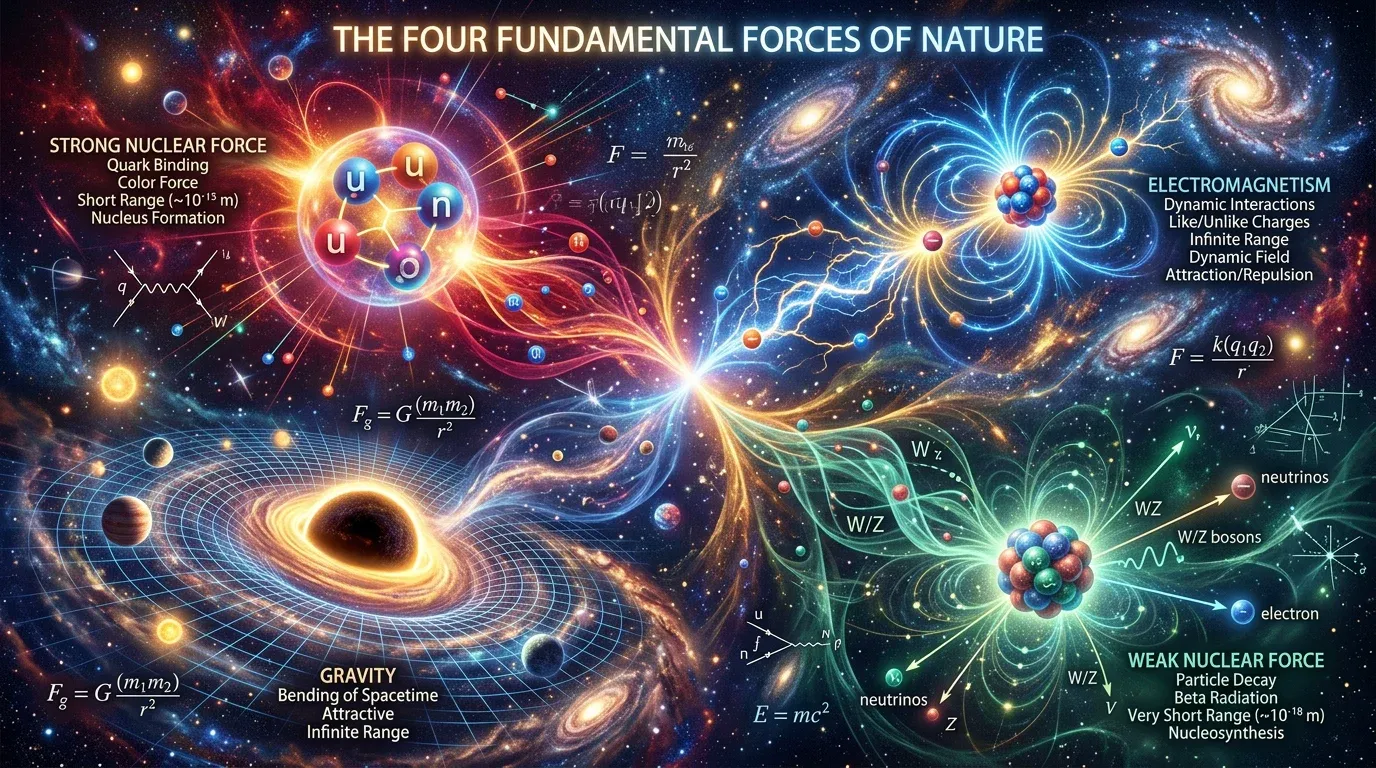
Abstract visualization of the four fundamental forces of nature
physics

The Fundamental Forces of Nature

Discover the four fundamental forces of nature - Gravity, Electromagnetism, the Strong Nuclear Force, and the Weak Nuclear Force - that govern the entire universe.

7 min readRead article →
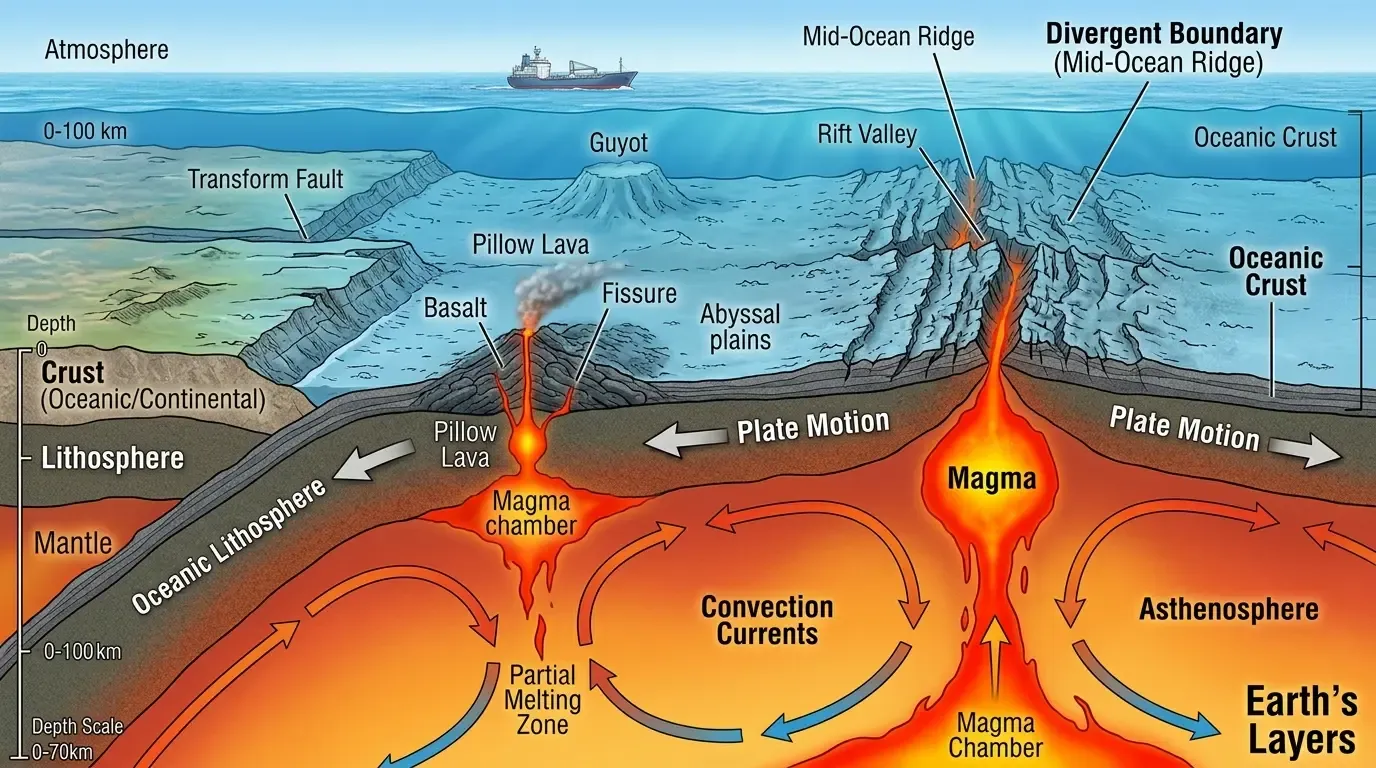
Cross-section illustration showing tectonic plates moving beneath Earth's surface with magma rising at a mid-ocean ridge
earth-science

Plate Tectonics: How the Earth's Crust Moves

Discover how plate tectonics shapes our planet — from Wegener's continental drift to subduction zones, earthquakes, and the story of Pangea.

16 min readRead article →
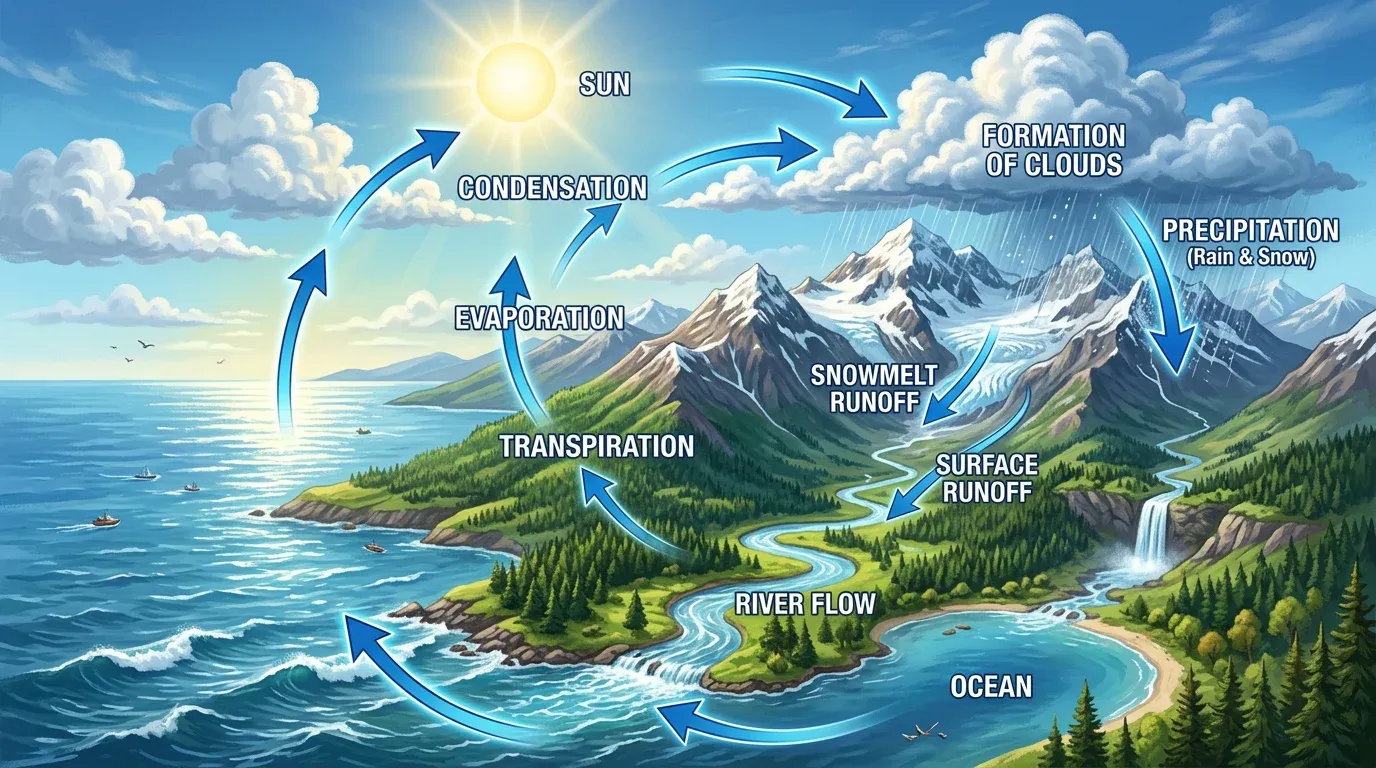
Illustrated diagram of the water cycle showing evaporation from the ocean, cloud formation, precipitation over mountains, and river runoff
earth-science

The Water Cycle Explained

A complete guide to the water cycle — how water moves through evaporation, condensation, precipitation, and groundwater, and why it matters for life on Earth.

15 min readRead article →
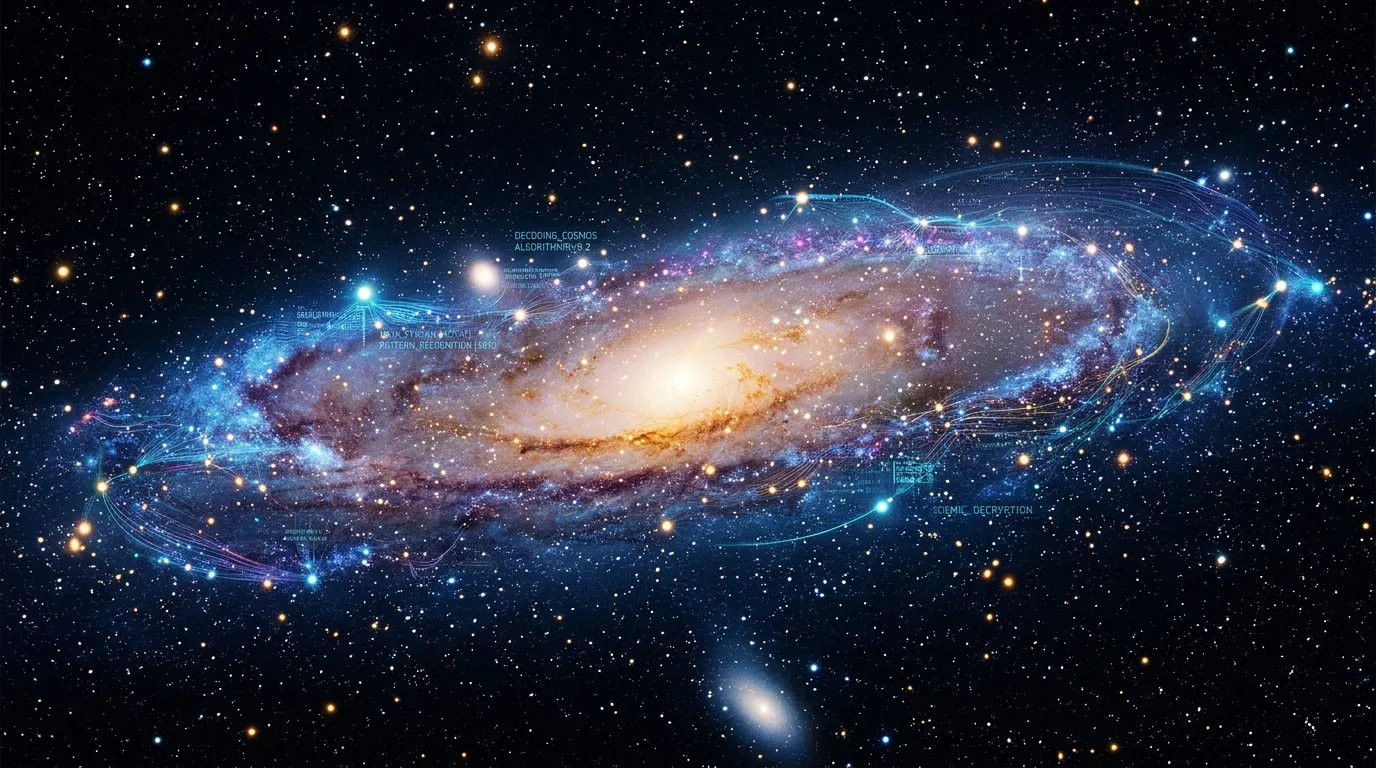
A glowing neural network intertwined with a spiral galaxy
artificial-intelligence

How AI is Analyzing the Cosmos: Machine Learning in Modern Astronomy

Discover how machine learning and artificial intelligence are revolutionizing astronomy, from discovering exoplanets to classifying galaxies and predicting gravitational waves.

15 min readRead article →
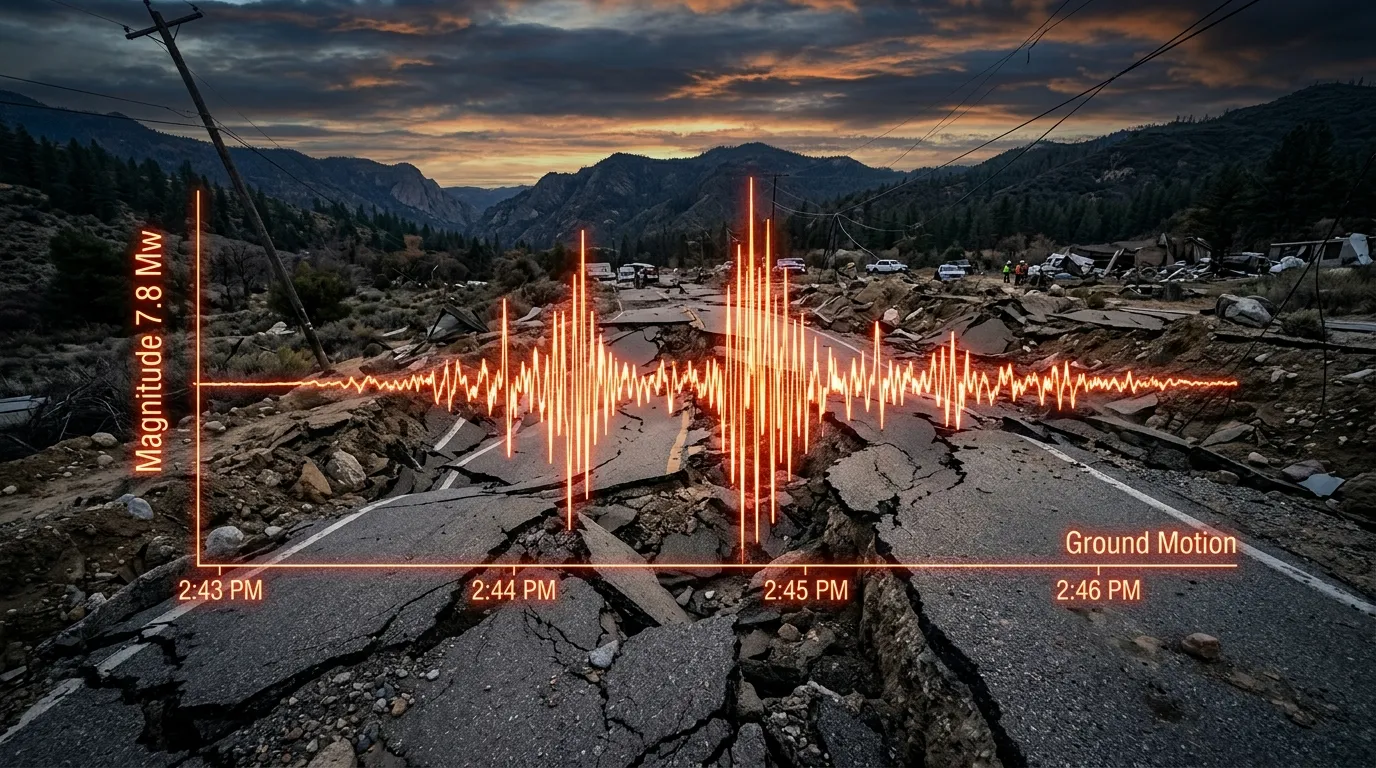
Cracked road and buckled ground after a large earthquake, with a seismograph trace overlaid
earth-science

What Are Earthquakes and How Are They Measured?

Learn what causes earthquakes, how seismographs detect seismic waves, what the Richter and Moment Magnitude scales mean, and where the world's most dangerous earthquake zones are.

16 min readRead article →
Abstract visualization of a neural network dreaming or hallucinating data
artificial-intelligence

Understanding AI Hallucinations: Why Do Neural Networks Make Things Up?

An in-depth exploration of AI hallucinations, explaining why large language models and neural networks sometimes generate convincing but entirely fabricated information.

11 min readRead article →