The Effect of Global Warming on Food Supplies and Agriculture
A definitive guide exploring how climate change disrupts agriculture, accelerates crop diseases, impacts nutritional value, and threatens global food security.
A definitive guide exploring how climate change disrupts agriculture, accelerates crop diseases, impacts nutritional value, and threatens global food security.
Imagine a world where the staple crops that have fed human civilization for millennia can no longer reliably grow. This isn’t a dystopian fiction scenario; it is an accelerating reality driven by anthropogenic global warming. As greenhouse gases like carbon dioxide and methane accumulate in our atmosphere, they trap heat, fundamentally altering the Earth’s climate systems.
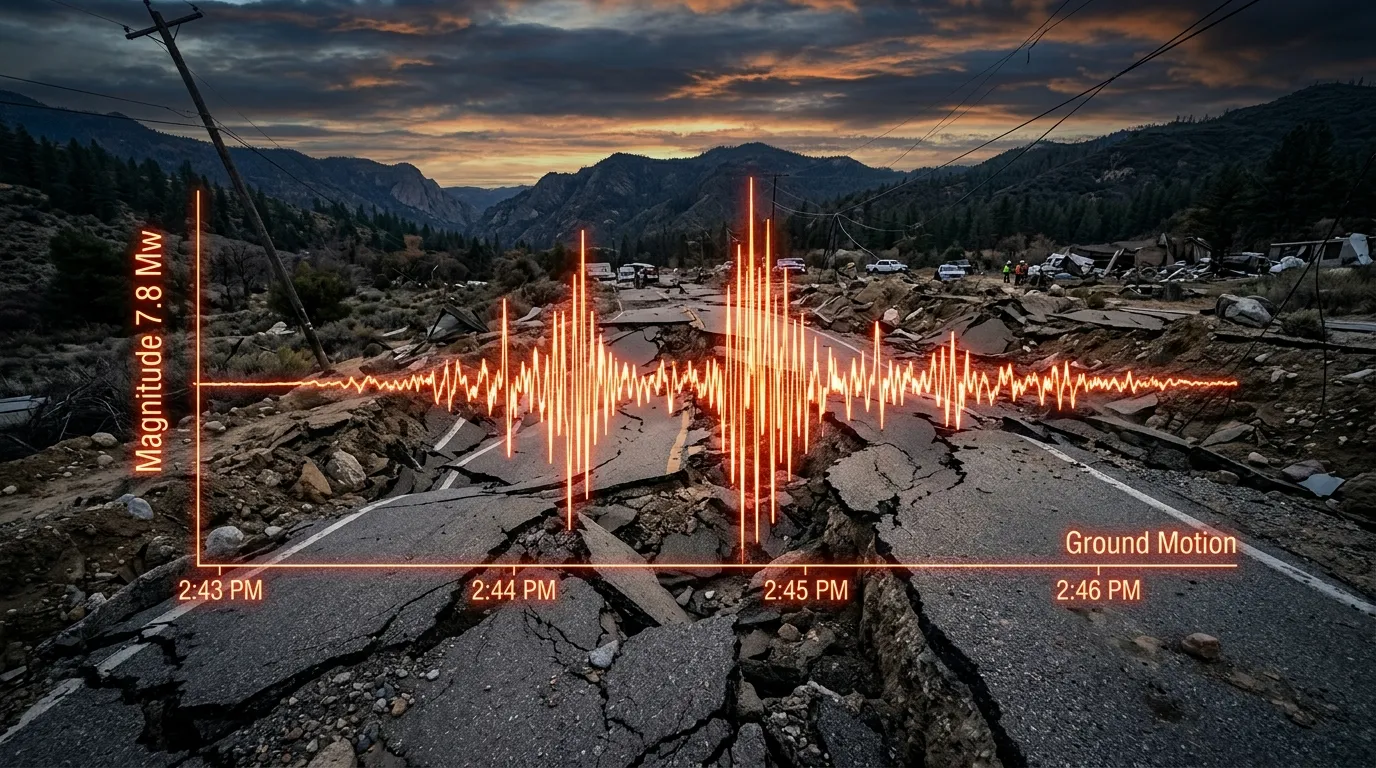
Agriculture relies on predictable weather patterns, stable temperatures, and consistent precipitation. The increasing frequency of the extreme weather conditions like infrequent earthquakes, sea water level rise, hurricanes in various parts of the Earth.
They are destroying the hard work of the farmers, their crops and it affects the food supply further, thus increasing the cost of food. All of this started as a side effect of global warming, which we all know started from us, humans.
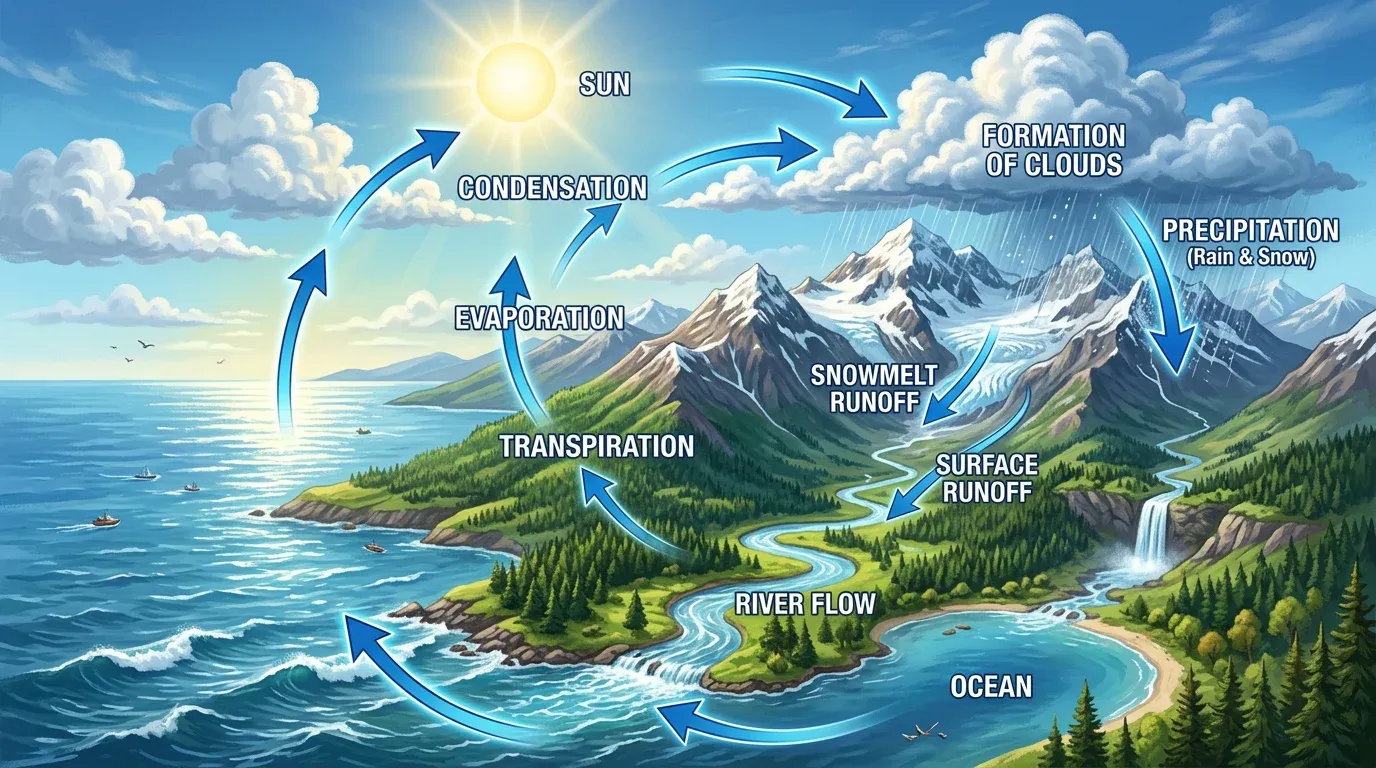
The foundational challenge that global warming presents to agriculture is the destabilization of historical weather patterns. For centuries, farming has depended on the predictability of the seasons. Today, those established patterns are unravelling. To understand the baseline mechanisms being disrupted, it is helpful to read the water cycle explained.
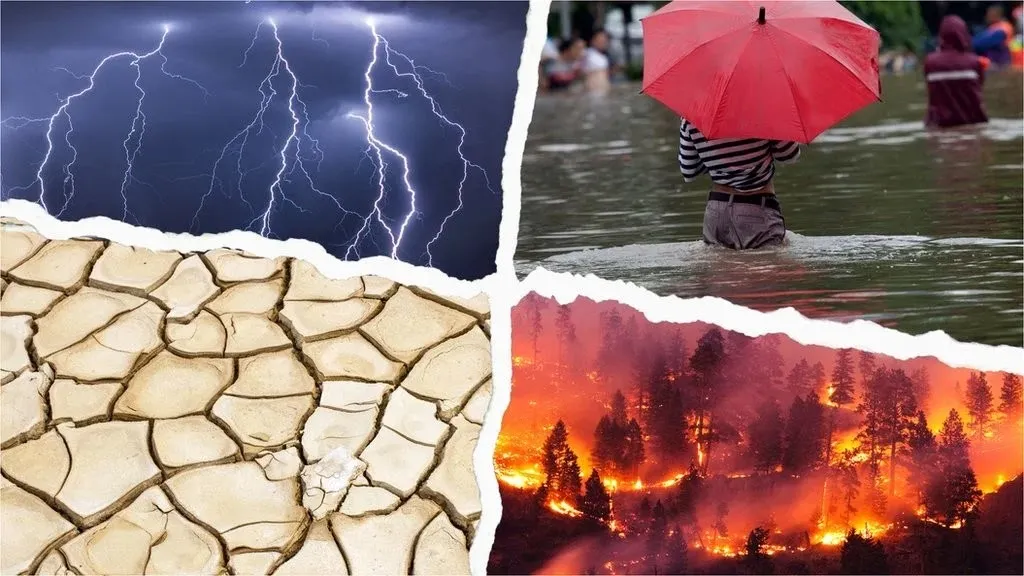
Rising global temperatures shift historical precipitation cycles, leading to unpredictable growing conditions. Some agricultural regions are experiencing prolonged, severe droughts that dry up reservoirs and parch the soil. In contrast, other areas face intense, unseasonal rainfall that causes waterlogging, soil erosion, and the loss of entire crop cycles. When crops do not receive water at critical growth stages, yields plummet.
Beyond gradual shifts in climate, the intensity and frequency of extreme weather events—such as hurricanes, flash floods, and heatwaves—have surged. A single severe flood can drown an entire season’s harvest, wash away topsoil, and contaminate agricultural land with industrial runoff. Conversely, extended heatwaves cause direct thermal stress to plants, stunting their growth and preventing the successful pollination of essential crops like corn and wheat.
The United States Department of Agriculture (USDA) defines plant hardiness zones based on average annual minimum winter temperatures. As the planet warms, these zones are visibly shifting northward. Shifting ocean currents (like the AMOC slowing down) further disrupt these regional climates and agricultural zones, an effect you can study in ocean currents and climate. Crops that traditionally thrived in specific regions are becoming increasingly difficult to cultivate, forcing farmers to either adapt to new, often less profitable crop varieties or relocate their agricultural operations entirely.
As historical climate zones shift, consider how the cultural identity of a region tied to its traditional crops—like French vineyards or Midwestern cornfields—might be permanently erased.
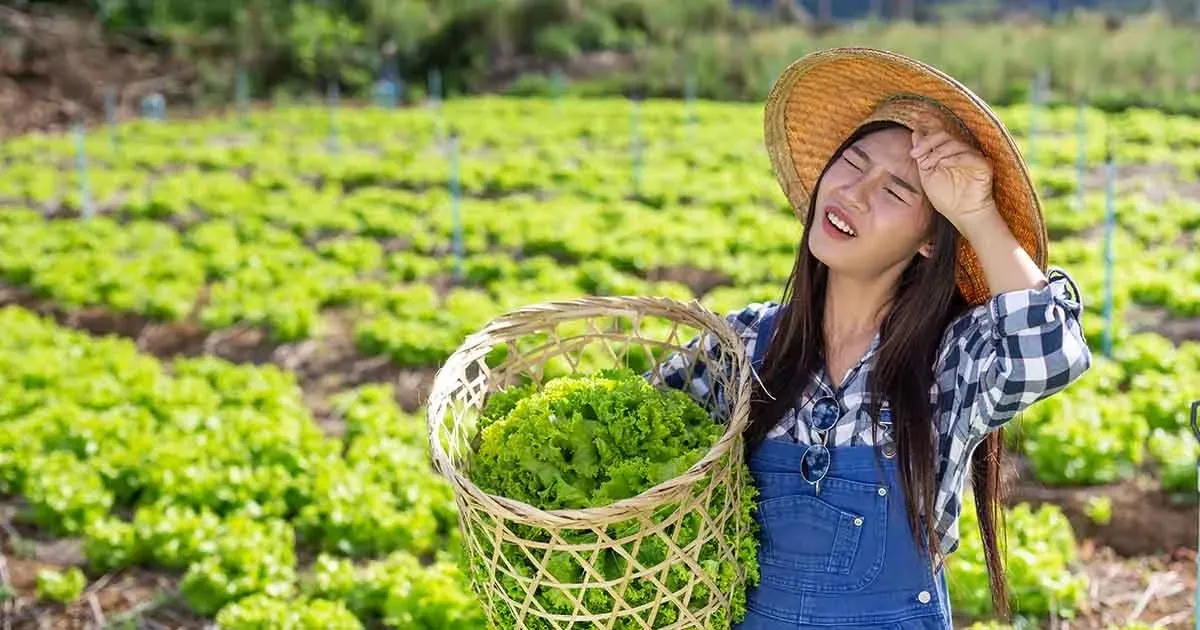
A warmer climate doesn’t just stress plants; it creates highly favorable conditions for the organisms that prey upon them.
Historically, harsh winters acted as a natural control mechanism, killing off dormant pest populations and limiting their geographic spread. With winters becoming milder, invasive insects such as the fall armyworm and the brown marmorated stink bug are expanding into higher latitudes. These pests devour essential food crops and decimate local ecosystems that lack natural defenses against them.
Warmer temperatures directly accelerate the metabolic and reproductive rates of many insects. Pests can produce more generations within a single, prolonged growing season, leading to massive population spikes. Meanwhile, the extreme heat can simultaneously stress the natural predators—such as specific bird species and beneficial insects—that would normally keep these pests in check.
Similar to pests, fungal and bacterial plant pathogens thrive in the altered climate conditions, particularly in areas experiencing increased humidity and unseasonal rainfall. Plant diseases like wheat rust, citrus greening, and corn smut are becoming more prevalent, aggressive, and difficult to manage. The livestock sector is not immune either, with a noted rise in vector-borne diseases impacting cattle and poultry worldwide.
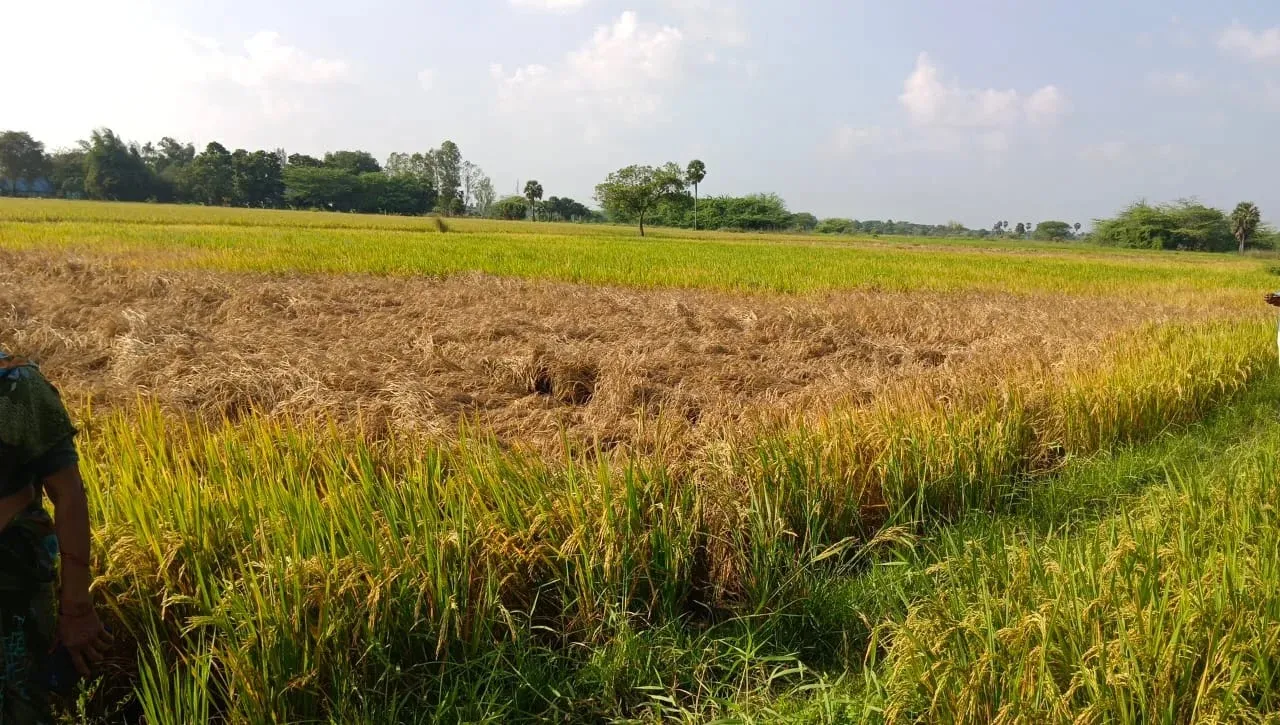
The combined stresses of erratic weather, heat, and pests lead directly to agricultural failure, but global warming also harbors a more insidious threat: the dilution of our food’s nutritional value.
The Intergovernmental Panel on Climate Change (IPCC) has repeatedly warned that without significant adaptation, the global yields of major cereal crops like maize and wheat will decline. When plants dedicate their energy to surviving heat stress or fighting off pathogens, they produce less edible grain or fruit. This direct reduction in food volume is the primary driver of climate-induced food scarcity.
Elevated levels of atmospheric carbon dioxide (CO2) can actually stimulate plant growth through increased photosynthesis—a phenomenon often cited by climate skeptics. However, scientific studies have revealed a severe downside: while plants may grow larger or faster, their nutritional density drops. Crops grown in high-CO2 environments exhibit significantly lower concentrations of essential minerals like zinc and iron, as well as reduced protein content. In essence, global warming is slowly turning our staple crops into empty calories, exacerbating hidden hunger and malnutrition worldwide.
Agriculture is the backbone of the global economy and the primary livelihood for billions of people. When harvests fail, the ripple effects are felt across societies and ecosystems.
Reduced crop yields inevitably drive up food prices. For affluent nations, this means a higher grocery bill; for developing nations, it means widespread food insecurity and hunger. Vulnerable populations—particularly children, the elderly, and those living in poverty—are the first to suffer from malnutrition when staple foods become unaffordable.
Smallholder farmers, who rely on traditional agricultural practices tailored to historically stable local climates, are disproportionately affected. Repeated crop failures lead to massive income loss, forcing rural populations to migrate to urban centers. This climate-driven migration not only strains urban infrastructure but also erodes the rich cultural heritage tied to traditional farming communities.
In a desperate bid to maintain yields, the agricultural sector often resorts to unsustainable practices. Farmers may expand into forested areas (exacerbating deforestation and biodiversity loss) or heavily rely on synthetic fertilizers and groundwater extraction. This leads to severe soil degradation, erosion, and water scarcity, trapping agriculture in a vicious cycle where the attempt to adapt to climate change actually worsens local environmental health.
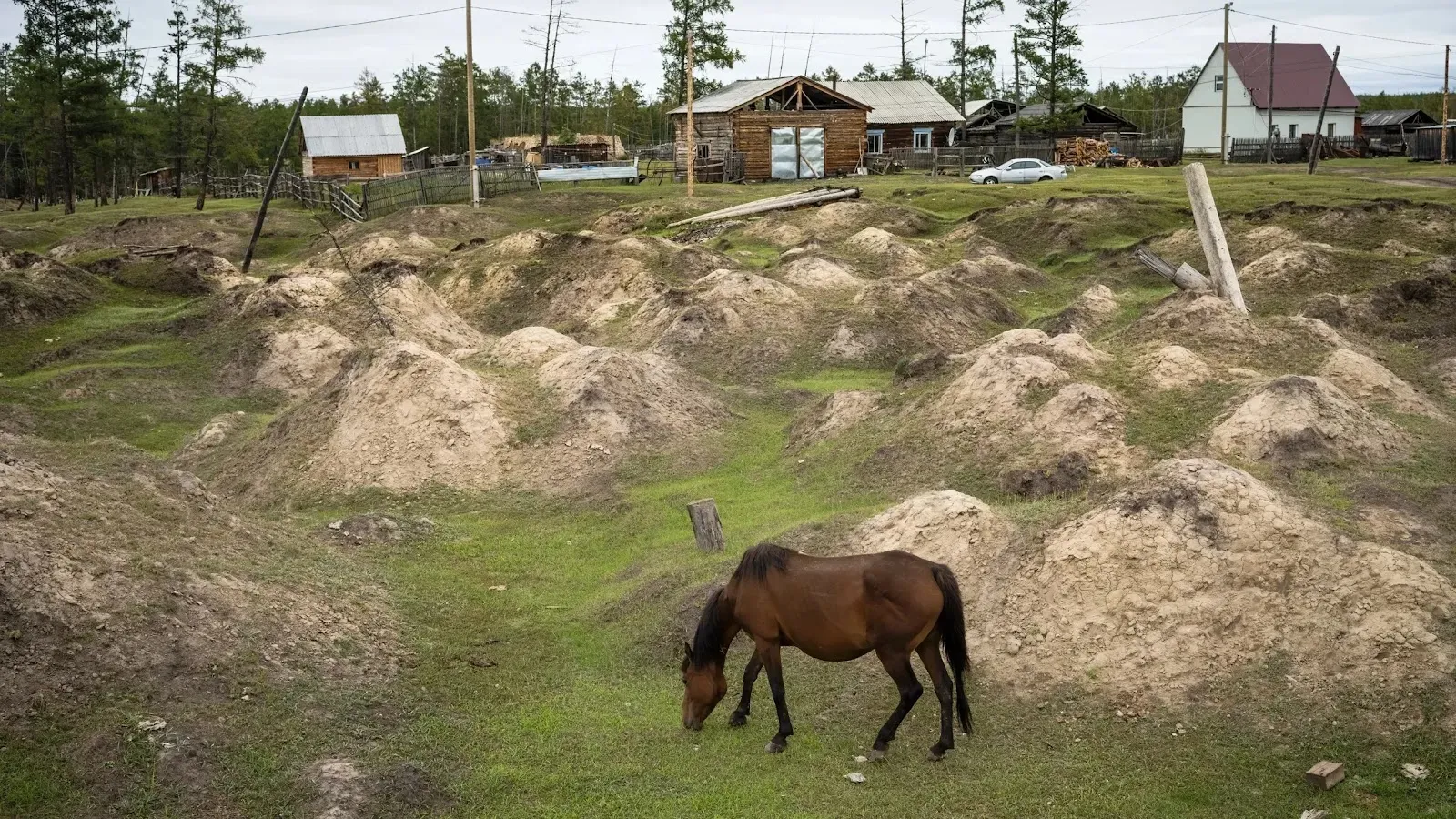
Addressing the agricultural crisis requires a dual approach: mitigation (reducing the greenhouse gases that cause global warming) and adaptation (changing our agricultural systems to survive the warming that is already locked in).
Farmers must transition toward resilient, climate-smart practices. This includes switching to drought-resistant or heat-tolerant crop varieties and diversifying farm products to avoid total reliance on a single vulnerable harvest. Agroforestry—integrating trees and shrubs into crop and animal farming—provides vital shade, improves soil moisture retention, and supports biodiversity.
To combat soil degradation, practices like reduced tillage, crop rotation, and the planting of cover crops must become the global standard. These techniques preserve the soil microbiome and improve water retention. Precision agriculture—using satellite data and sensors to optimize irrigation and fertilizer application—ensures that precious resources are not wasted.
Agriculture is currently a major contributor to greenhouse gas emissions, but it has the potential to be a solution. Through enhanced carbon sequestration practices, healthy agricultural soils can absorb and lock away massive amounts of atmospheric carbon dioxide. By regenerating soil health, farmers can simultaneously fight climate change and improve their crop yields.
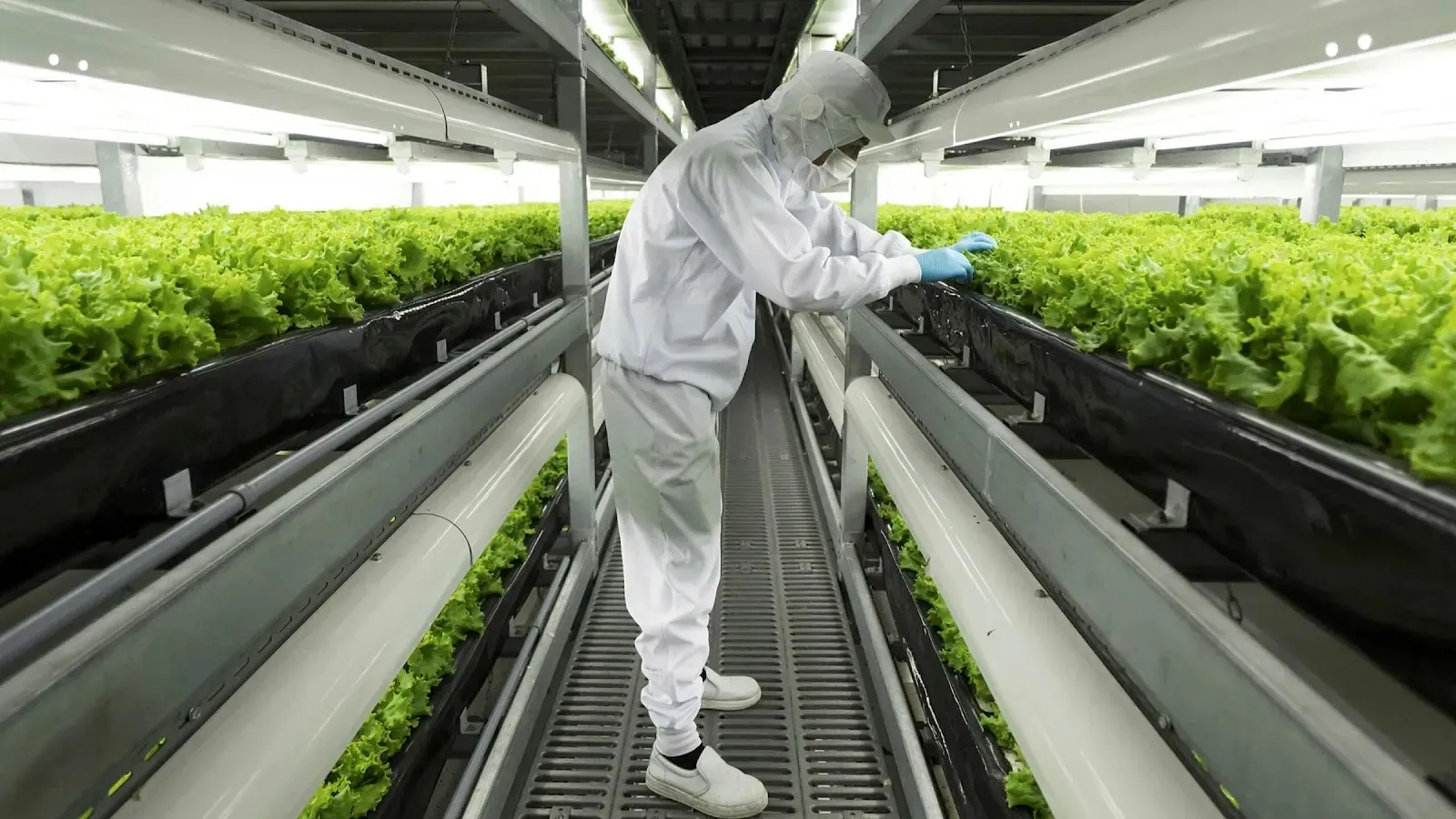
The effects of global warming on the agriculture is crystal clear now. The challenges of extreme weather, invasive pests, declining yield, and reduction in the nutritional value demand an urgent and coordinated global response.
Along with taking measures to reduce the global warming by massively reducing global greenhouse gas emissions and planting more trees, we need to create climate conscious farming policies. By investing more in agricultural innovation and taking measure to reduce global warming, we can safeguard everyones future food.
Global warming affects crop yields through increased frequency of extreme weather events (droughts and floods), direct heat stress on plants during critical growth phases, and the accelerated spread of crop-destroying pests and diseases.
While elevated CO2 can stimulate photosynthesis and increase the physical size of some plants, it significantly reduces their nutritional density, lowering the concentrations of essential proteins and minerals like zinc and iron.
Climate-smart agriculture involves farming practices designed to increase productivity, build resilience to climate change (adaptation), and reduce greenhouse gas emissions (mitigation). Examples include crop diversification, precision irrigation, and agroforestry.
To explore the data and science behind climate change and agriculture, consult these authoritative resources:
References: