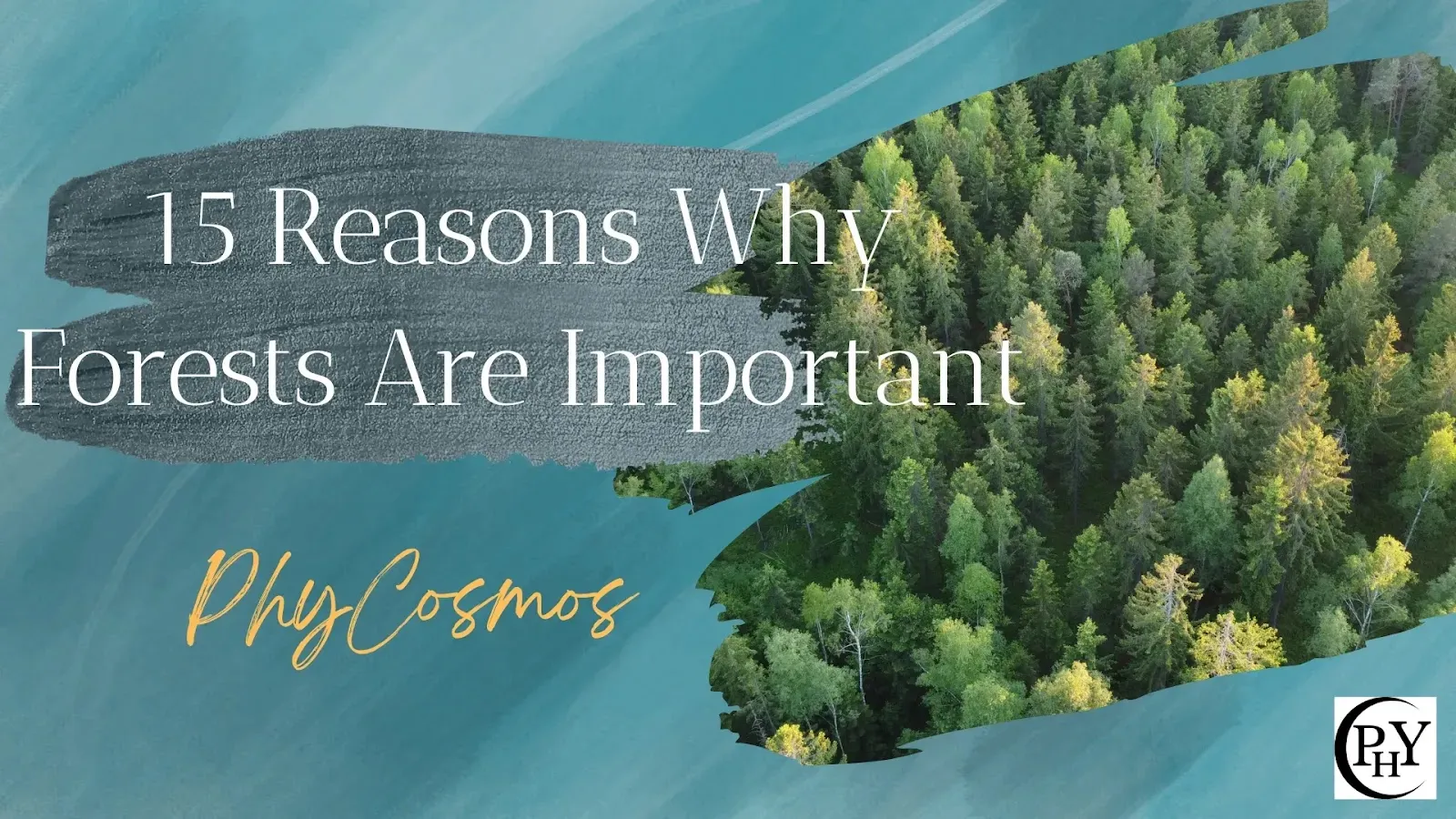
15 Reasons Why Forests Are Important
Discover the crucial role forests play in maintaining Earth's ecosystems, mitigating climate change, and supporting biodiversity.
Discover the crucial role forests play in maintaining Earth's ecosystems, mitigating climate change, and supporting biodiversity.
I know we all understand the importance of trees and forests very well. But when we are asked what are their importance, we generally think like they provide us Oxygen, wood, rain, shelter and prevents landslides. I can’t even mention everything in a single article. It’s just that much the forest give and support the living beings on Earth. That’s why we call it *Mother Nature.
We all love greenery that surrounds us, giving us a peace of mind by being close to nature.
Green color is also soothing for our eyes and brain. It gives a positive and calm signal that we are in a good environment.
But there’s more to the forests than just being green. We still haven’t identified all kinds of species that lives in the forest. The great Amazon forest is just so big and dense that we still haven’t explored even half of the species living there.
Let’s uncover every little support that trees and forest provide to living beings on the Earth.
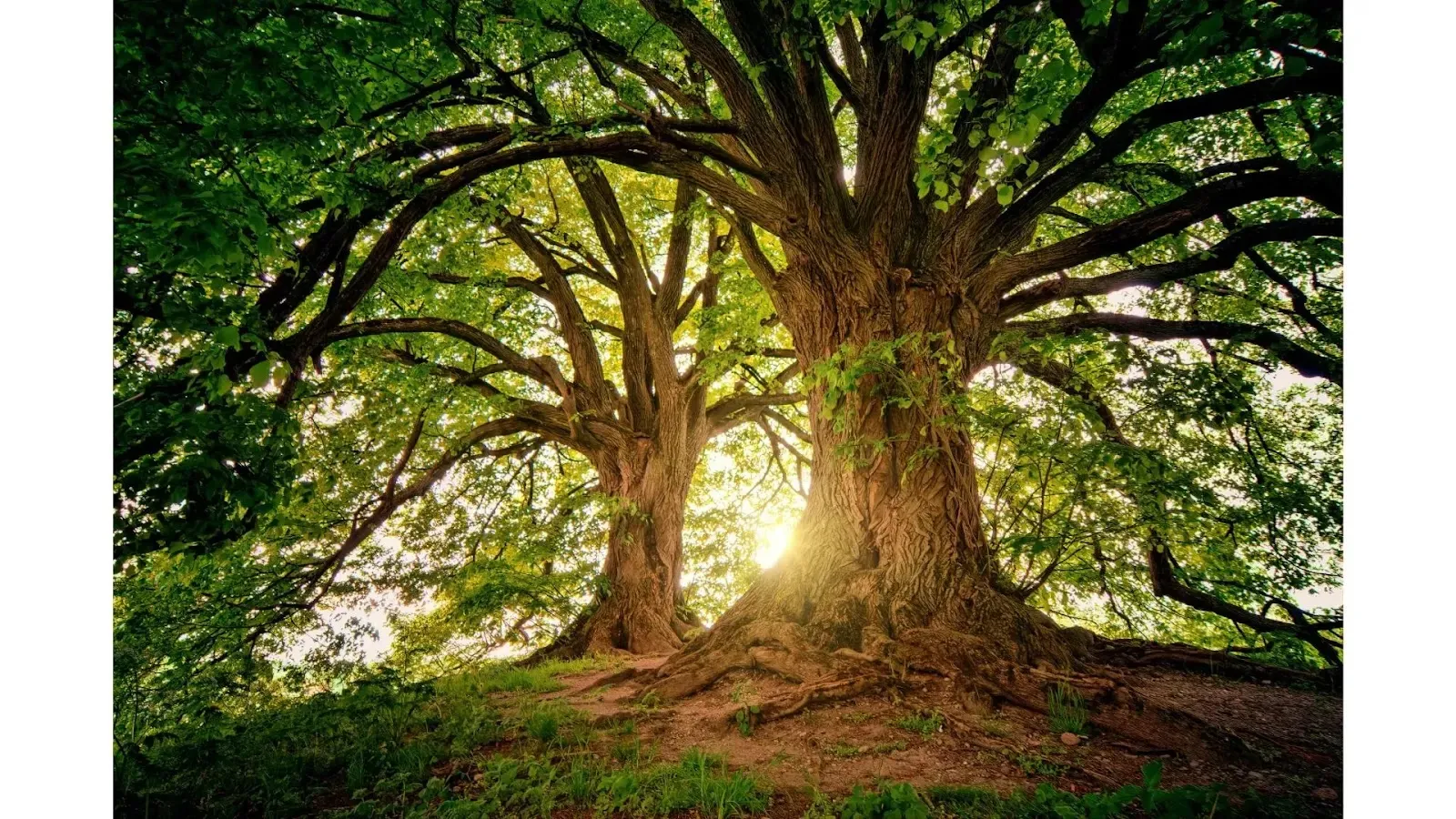
Trees act as giant, natural air filters. Through their leaves, they absorb harmful pollutants like nitrogen oxides, ammonia, and sulfur dioxide. They also trap microscopic particulate matter on their bark and foliage. By continually exchanging carbon dioxide for oxygen, forests ensure that the atmosphere remains breathable and clean, directly reducing human respiratory illnesses.
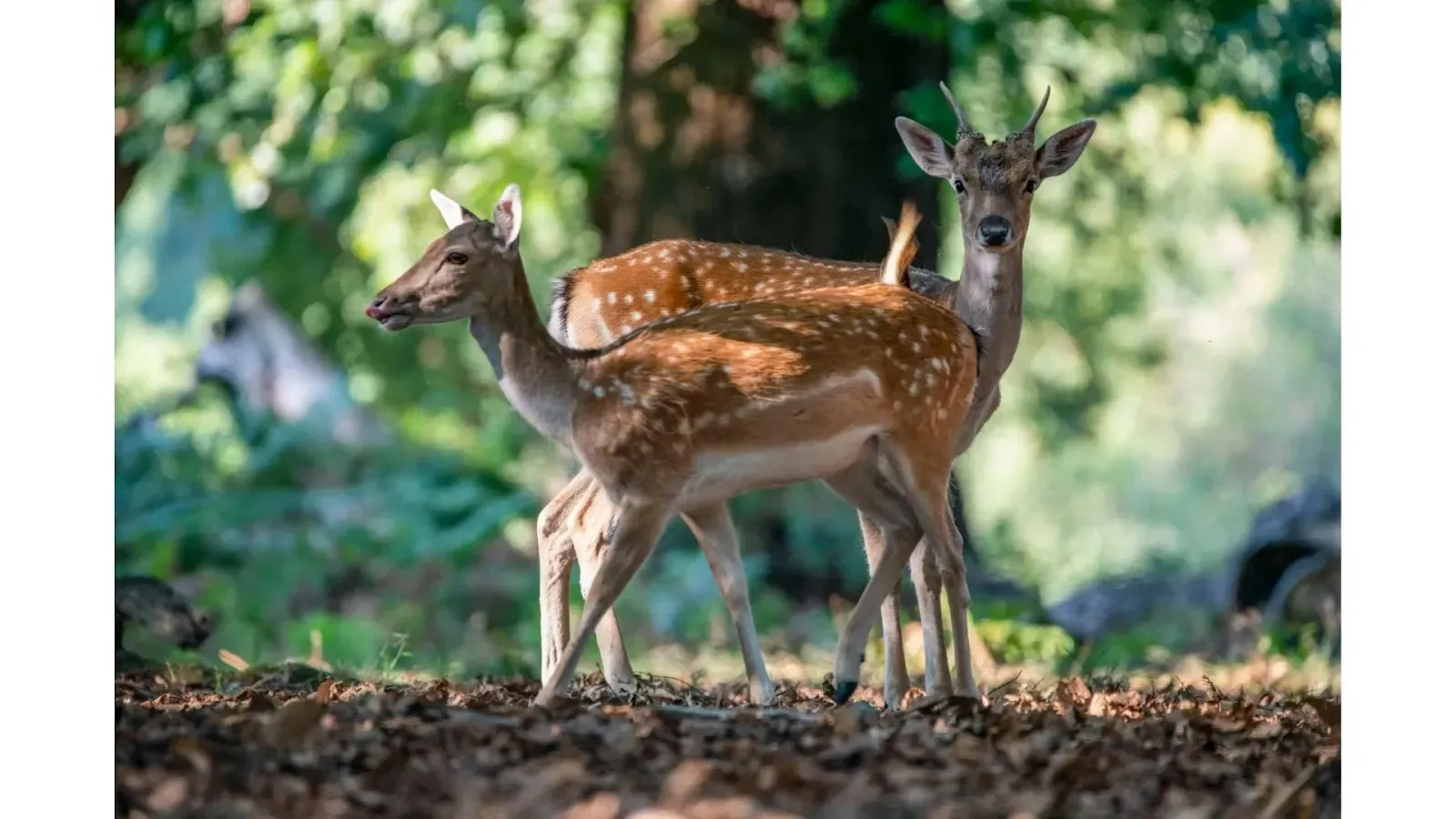
Tropical rainforests alone harbor over half of the world’s known terrestrial plant and animal species, despite covering a fraction of the Earth’s surface. These ecosystems offer highly specialized niches that support complex food webs. By preserving genetic diversity, forests act as evolutionary strongholds that protect countless species from the brink of extinction.
Since forests sustain such immense biodiversity and oxygen generation, they are often referred to as the “Lungs of the Earth”.
Forests significantly mitigate global temperatures through a combination of shade and moisture release. A mature tree canopy blocks direct solar radiation from heating the ground, while the trees themselves act as massive carbon sinks, absorbing greenhouse gases that trap heat in the atmosphere. By sequestering carbon in their trunks, roots, and the surrounding soil, forests actively counteract the warming effects of climate change.

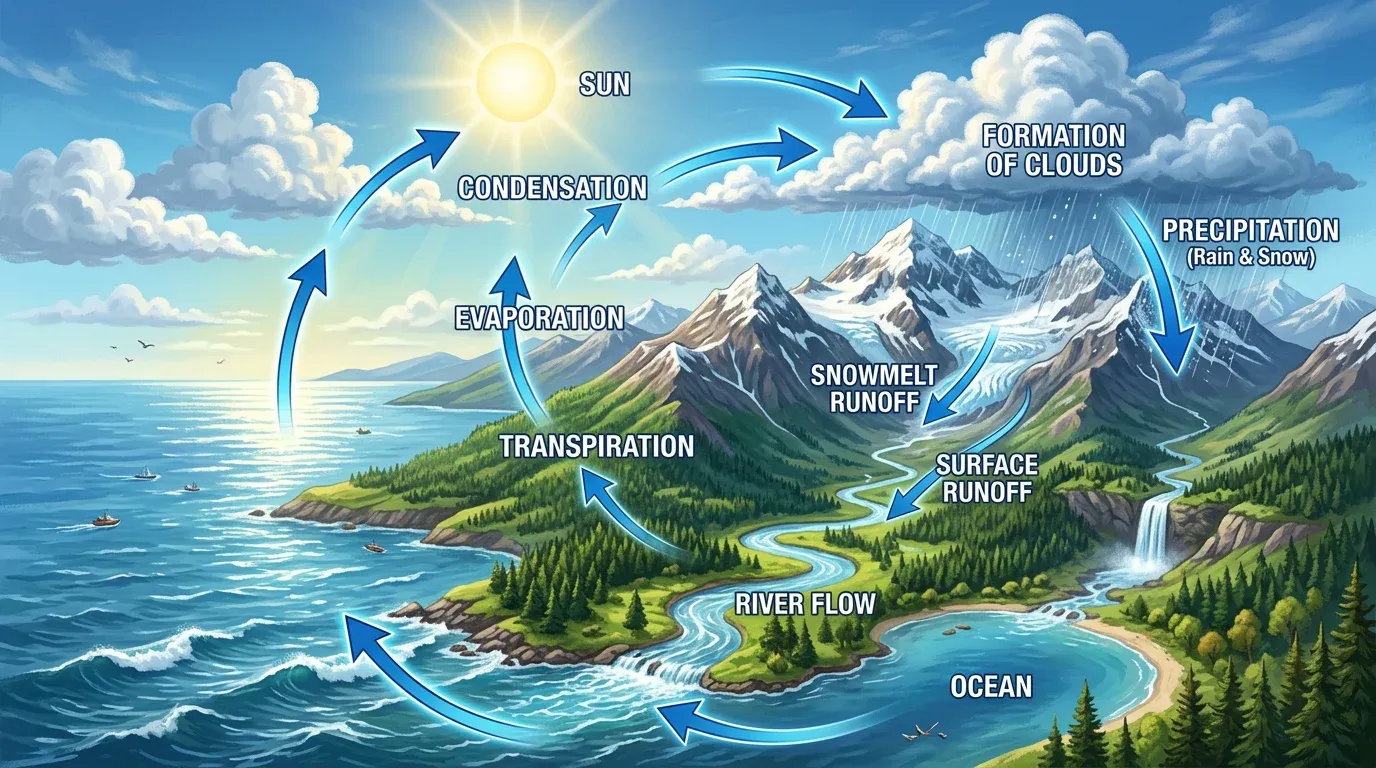
Trees pull groundwater up through their deep root systems and release it into the atmosphere as water vapor through tiny pores in their leaves. This biological process, known as transpiration, contributes to the formation of rain clouds and dictates regional weather patterns. This is how forests and trees play their crucial role in generating rainfall, a process you can fully explore in the water cycle explained.
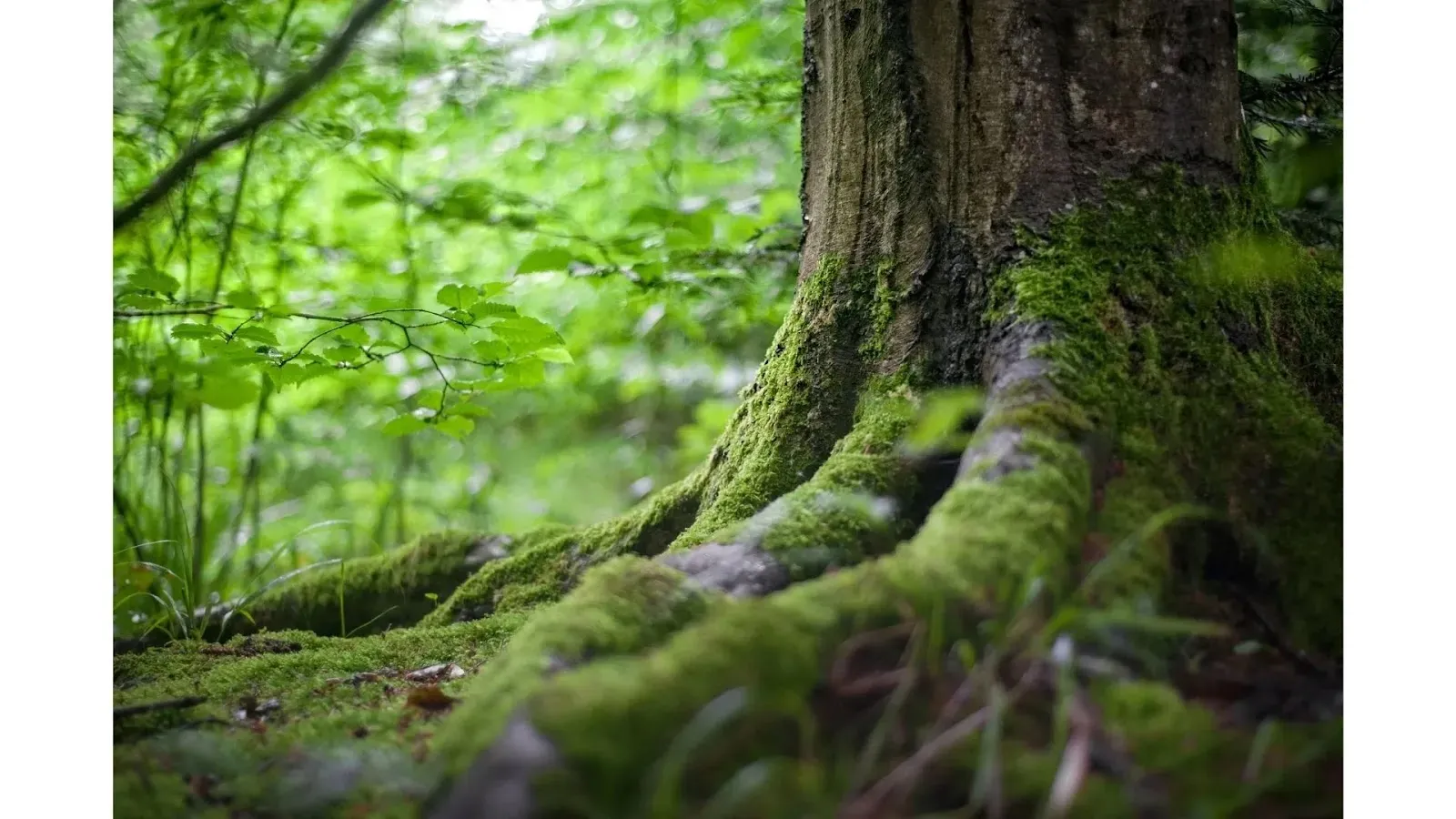
A forest’s root network acts like biological rebar, gripping the soil and preventing it from washing away during heavy downpours or blowing away in high winds. The canopy above also breaks the kinetic impact of falling rain, reducing surface runoff. Without this stabilization, fertile topsoil would rapidly erode, leading to devastating landslides and rendering the land barren.
Beyond just producing oxygen, the complex biological mechanisms of trees break down atmospheric toxins. This incredible oxygen production and carbon sink capability is driven by the underlying mechanism of photosynthesis how plants make food. Certain tree species can phytoremediate their environments by absorbing heavy metals and airborne volatile organic compounds, acting as a natural detoxifying agent for the local ecosystem.
In urban and suburban environments, clusters of trees serve as effective sound barriers. The dense foliage, coupled with the soft, uneven texture of bark and forest floor debris, absorbs and deflects sound waves. This natural acoustic dampening reduces noise pollution from highways and industrial zones, fostering a more serene environment.
Forests act as critical buffer zones that protect neighboring ecosystems, such as rivers, lakes, and coral reefs, from agricultural runoff and sedimentation. By filtering water as it passes through the soil, forests ensure that freshwater systems remain clear and unpolluted, which is vital for the survival of aquatic life.
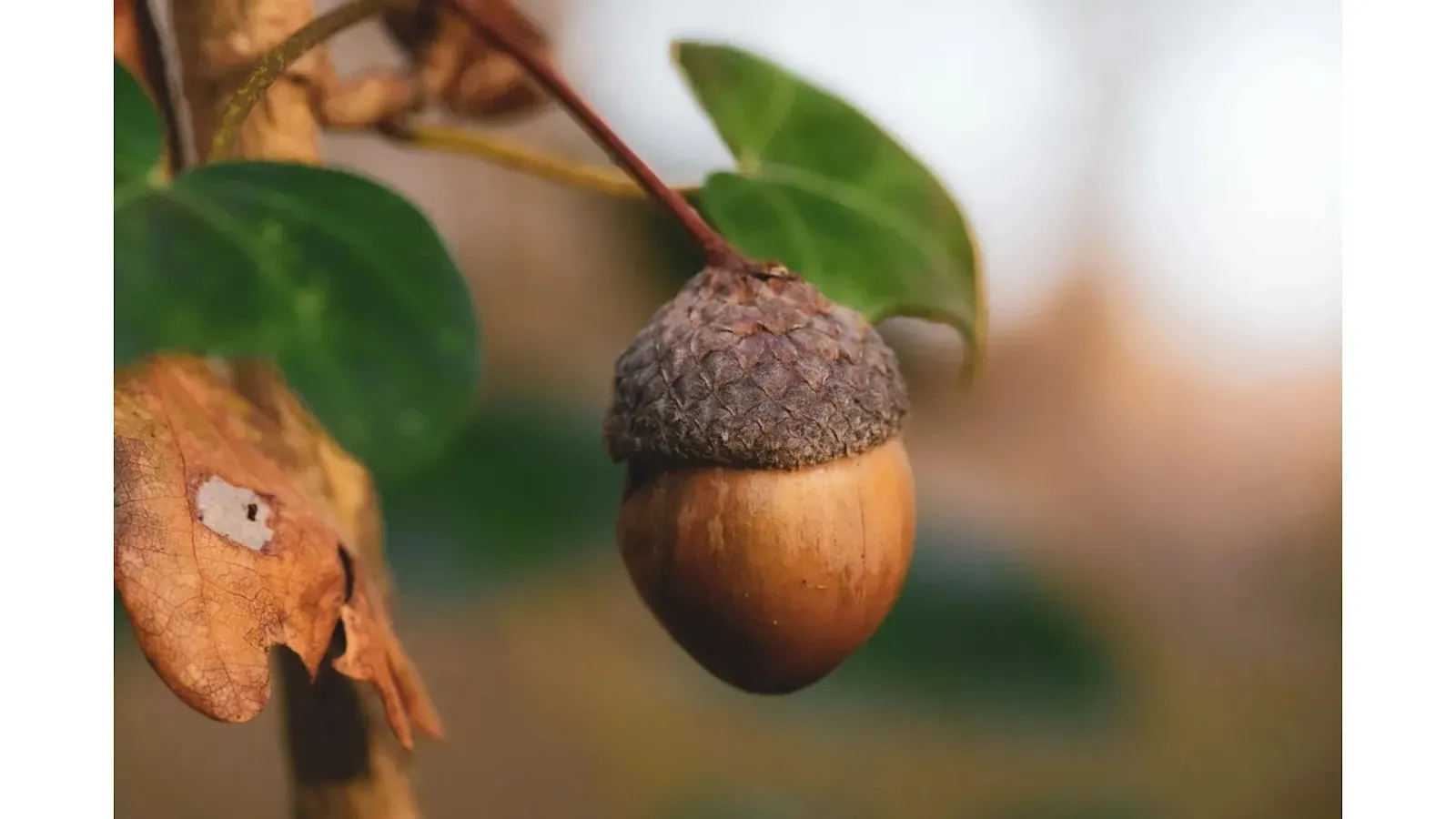
Although it is said that life first took birth in the ocean, but the when it came to the land, it was the forest and trees that supported the living beings with food and shelter.
They provide a rich bounty of wild fruits, nuts, seeds, edible mushrooms, and nutrient-dense saps. Additionally, they sustain populations of game animals and fish, forming the backbone of traditional hunter-gatherer diets and sustaining indigenous communities worldwide.

Responsibly managed forests yield timber, a renewable resource essential for construction, furniture, and paper manufacturing. The cellulose fibers extracted from wood pulp are even utilized in the production of modern textiles and certain bio-plastics, providing eco-friendly alternatives to fossil-fuel-based materials.

A staggering percentage of modern pharmaceuticals are derived directly from forest flora. From life-saving cancer drugs synthesized from the Pacific Yew tree to antimalarial compounds found in the Cinchona tree, the chemical diversity of forest plants holds the key to curing many human ailments. Destroying forests means destroying the potential for future medical breakthroughs.
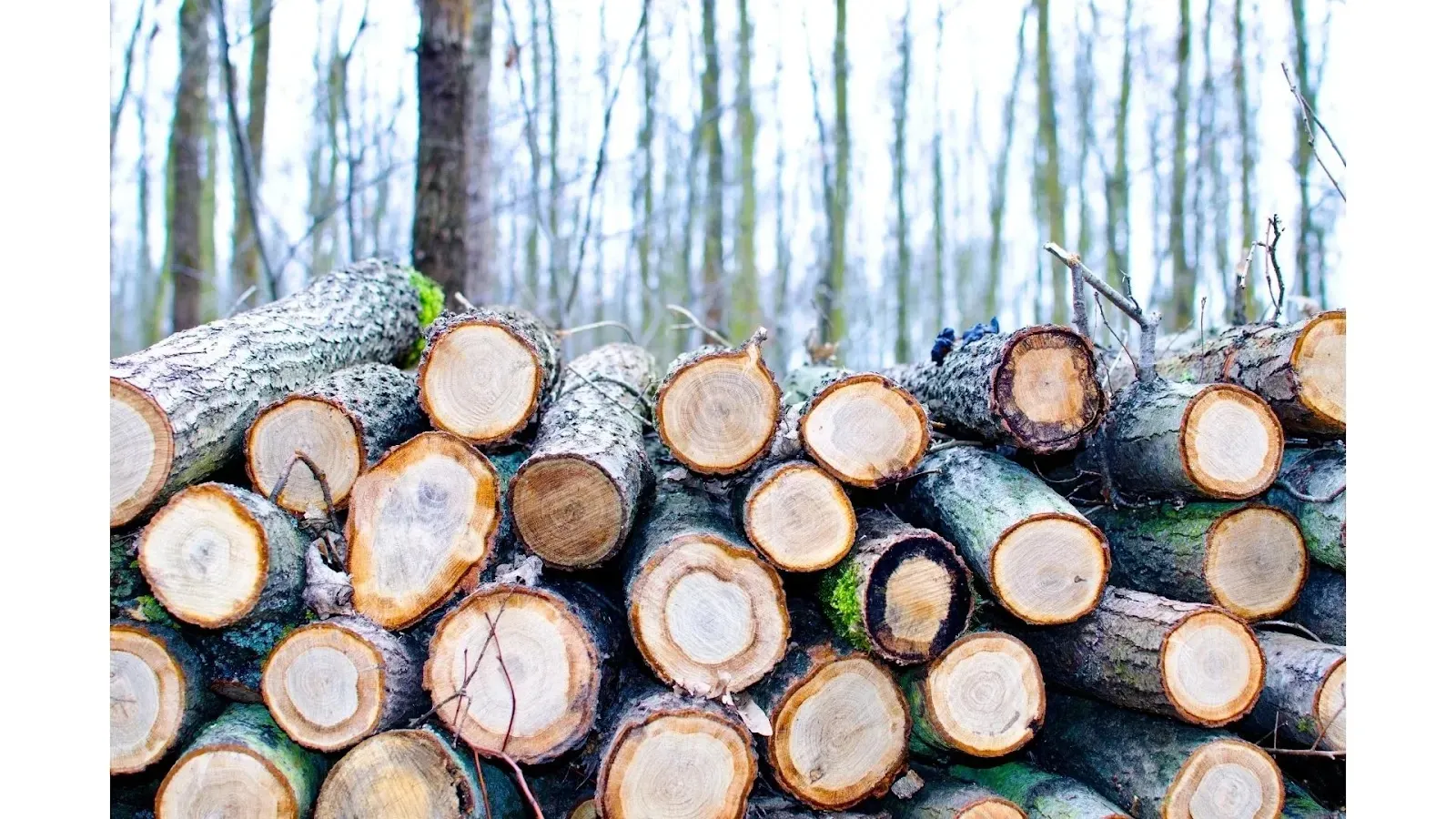
The forestry sector is a massive pillar of the global economy. According to the UN, more than 1.6 billion people rely on forests for their livelihood, and 10 million are directly employed in forest management, conservation, and sustainable harvesting. Ecotourism further boosts local economies by drawing visitors to national parks and protected reserves.
By actively sequestering atmospheric carbon dioxide, forests serve as one of our most effective natural weapons against runaway greenhouse effects. Old-growth forests, in particular, lock away immense volumes of carbon in their mature biomass and deep soils. Deforestation reverses this process, releasing centuries of stored carbon back into the atmosphere in an instant.
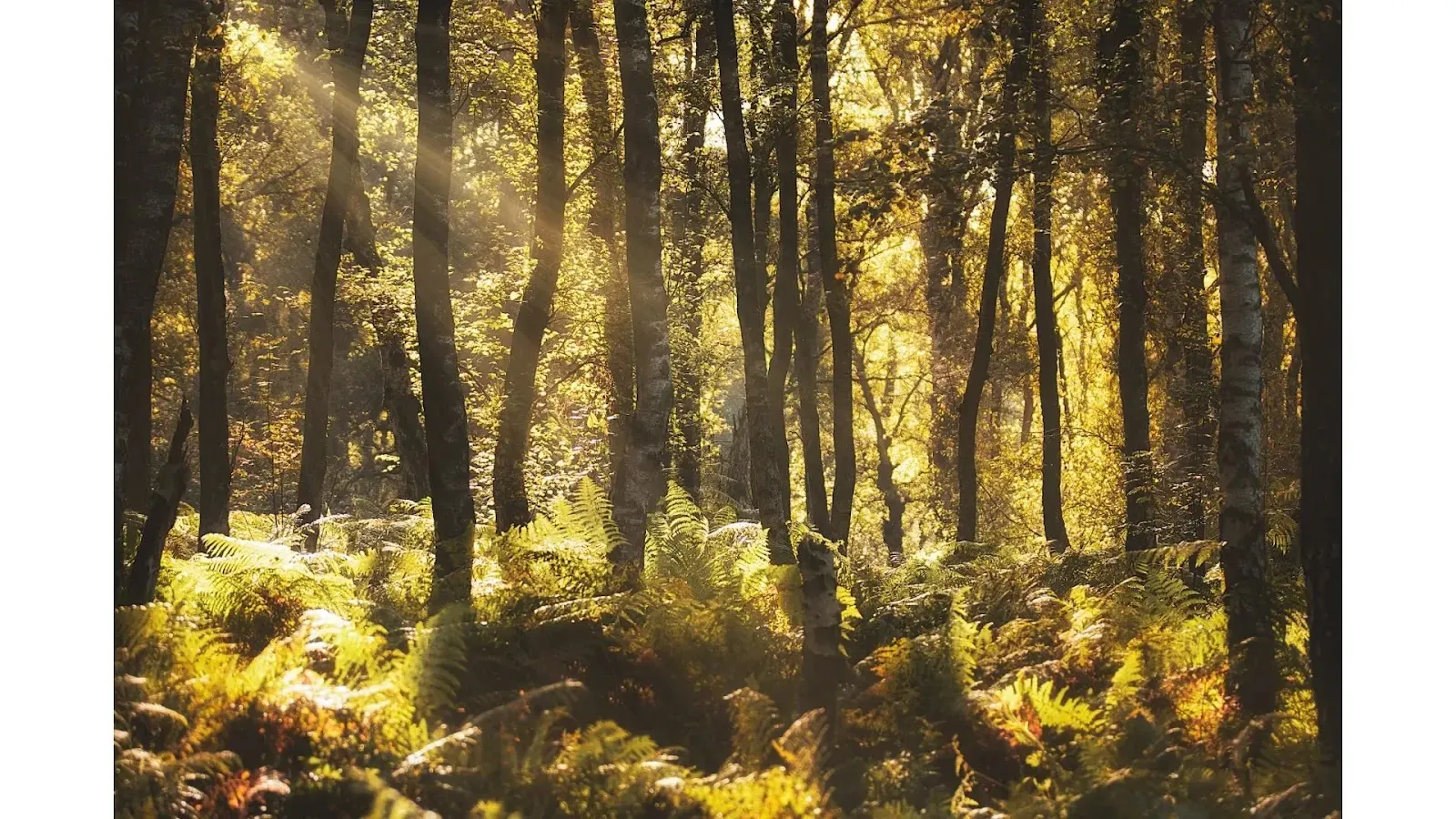
The Japanese practice of shinrin-yoku, or “forest bathing,” highlights the profound mental health benefits of spending time in wooded areas. Exposure to forest environments has been scientifically proven to lower cortisol levels, reduce heart rates, and alleviate symptoms of anxiety and depression, offering a vital respite from modern, technology-driven lives.
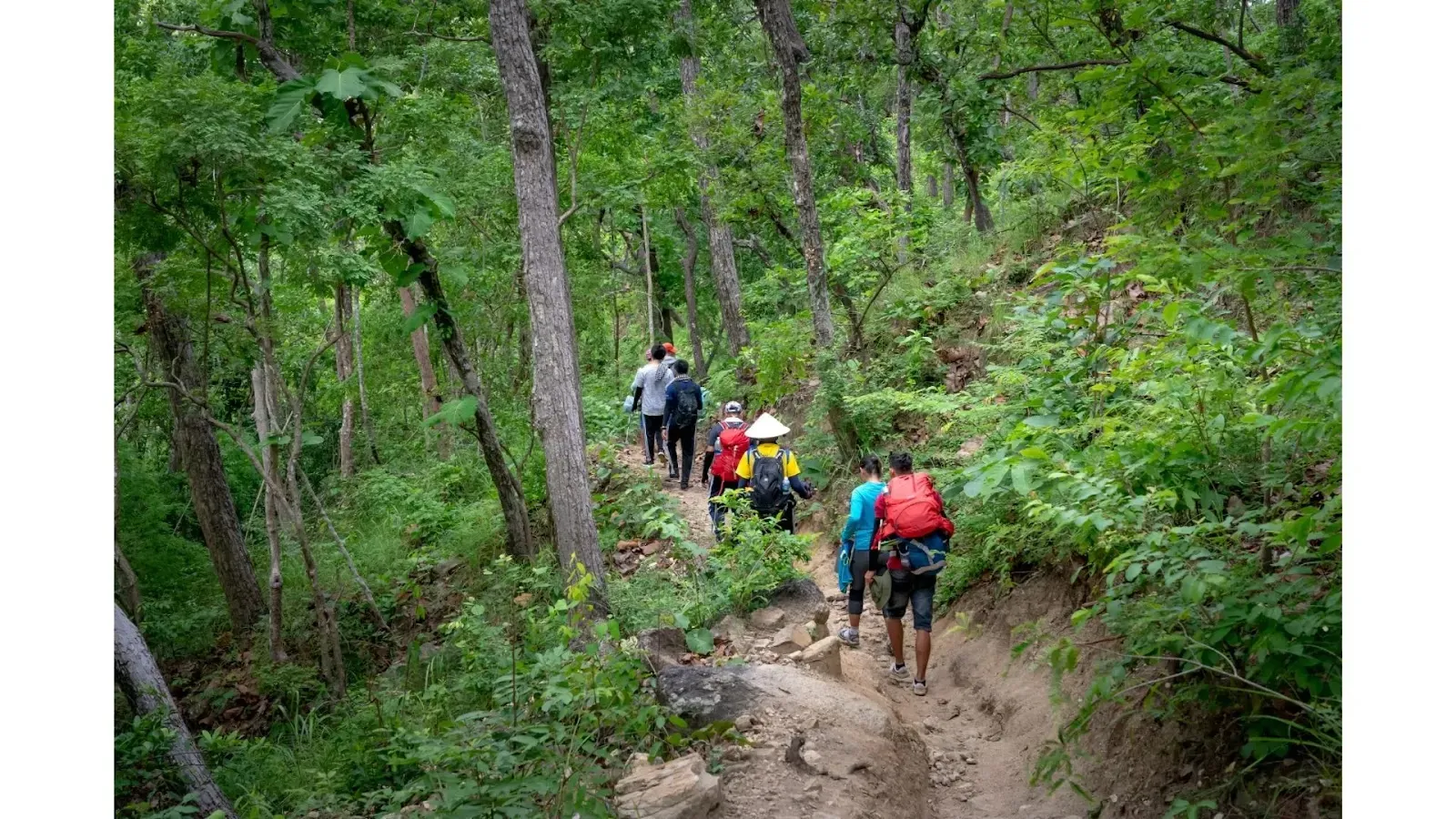
Humans have always been interested in arts and drawing. In the history of humans, we have shown different kinds of arts in each era.
Be it painters who observe the nature to get inspiration or poets who humanzie the forest and trees, they all have created many masterpieces.
The patterns we get from nature are so perfect yet complex enough to think if it is even possible to exist.
Some tribes and people do rituals for the forests, and pray the forest god to protect everyone. They have rich folklore and traditions, inspiring art and spiritual practices throughout generations to come.
Nature has inspired artists in every generation and era.