From Birth to Supernova: A Fascinating Journey through the Life Cycle of Stars
Follow the incredible life cycle of a star, from its birth in a stellar nursery to its spectacular end as a supernova.
Follow the incredible life cycle of a star, from its birth in a stellar nursery to its spectacular end as a supernova.
We all have been fascinated by the bright twinkling stars in the dark night sky. It looks beautiful and even breathtaking at some places of Earth.
Have you ever wondered how do they form? Over the course of our entire lifetime and the lifetimes of our predecessors - we all have seen the same start at the same point in the sky. They change very slowly, crossing centuries without much movement in the sky.
Everything in this present in this universe has some point of origin, for sure. Even the stars as well. Let’s first dicuss about the birth of a star and see its complete life cycle.
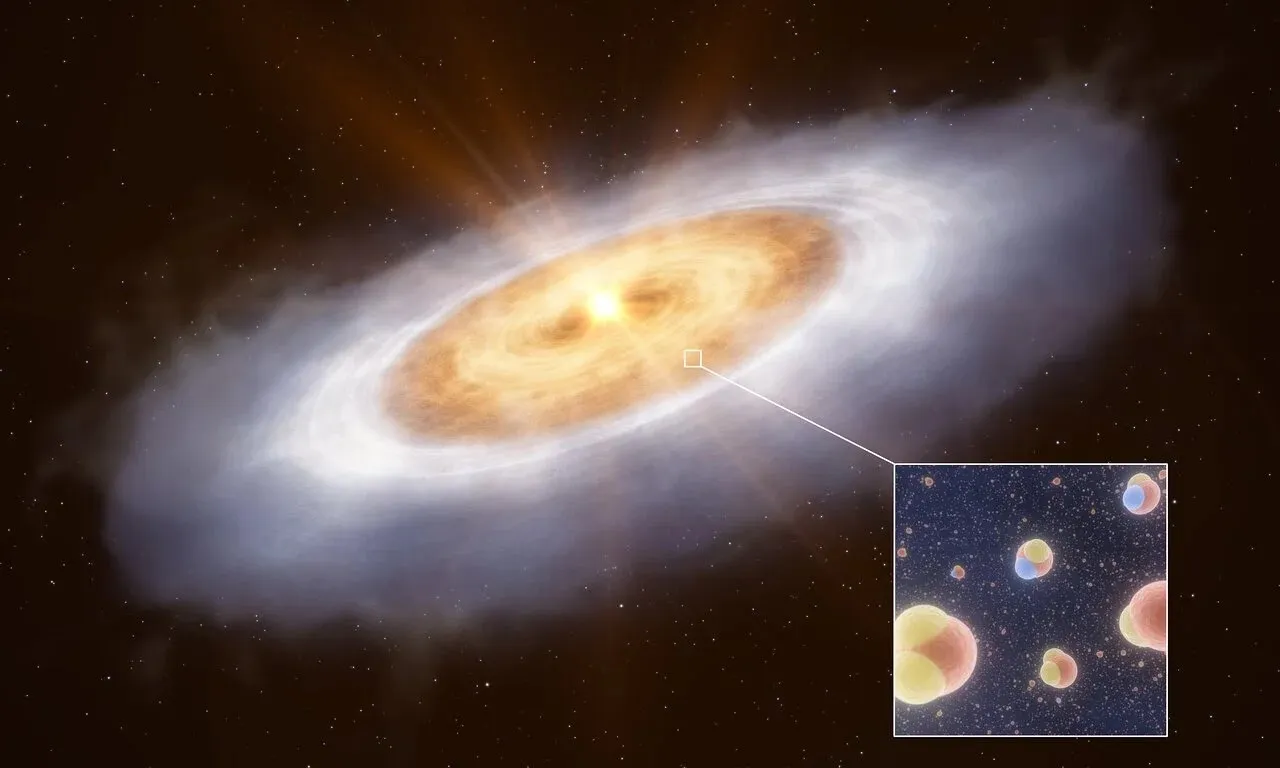
The birth of a star begins with a nebula, a cloud of gas and dust that is composed mostly of hydrogen and helium. These stellar nurseries are often obscured by thick dust, but thanks to the infrared capabilities leading to James Webb Space Telescope discoveries, astronomers can now peer directly through this dust to watch infant stars forming. The force of gravity causes the nebula to collapse inward, forming a dense core at the center. As the core becomes more compact, it becomes hotter and denser, until eventually, nuclear fusion begins. This process releases a tremendous amount of energy, which causes the star to emit light and heat.
As the star continues to grow, it enters the protostar phase. During this phase, the star is not yet hot enough to generate energy through nuclear fusion, but it is still able to emit heat and light. As the protostar continues to contract, it becomes hotter and denser until it reaches the temperature required for nuclear fusion to take place.
Finally, when the temperature and pressure at the core of the protostar are high enough, nuclear fusion begins, marking the start of the star’s life as a main sequence star. This is the longest period in the life of the star, during which it will spend billions of years fusing hydrogen into helium in its core.
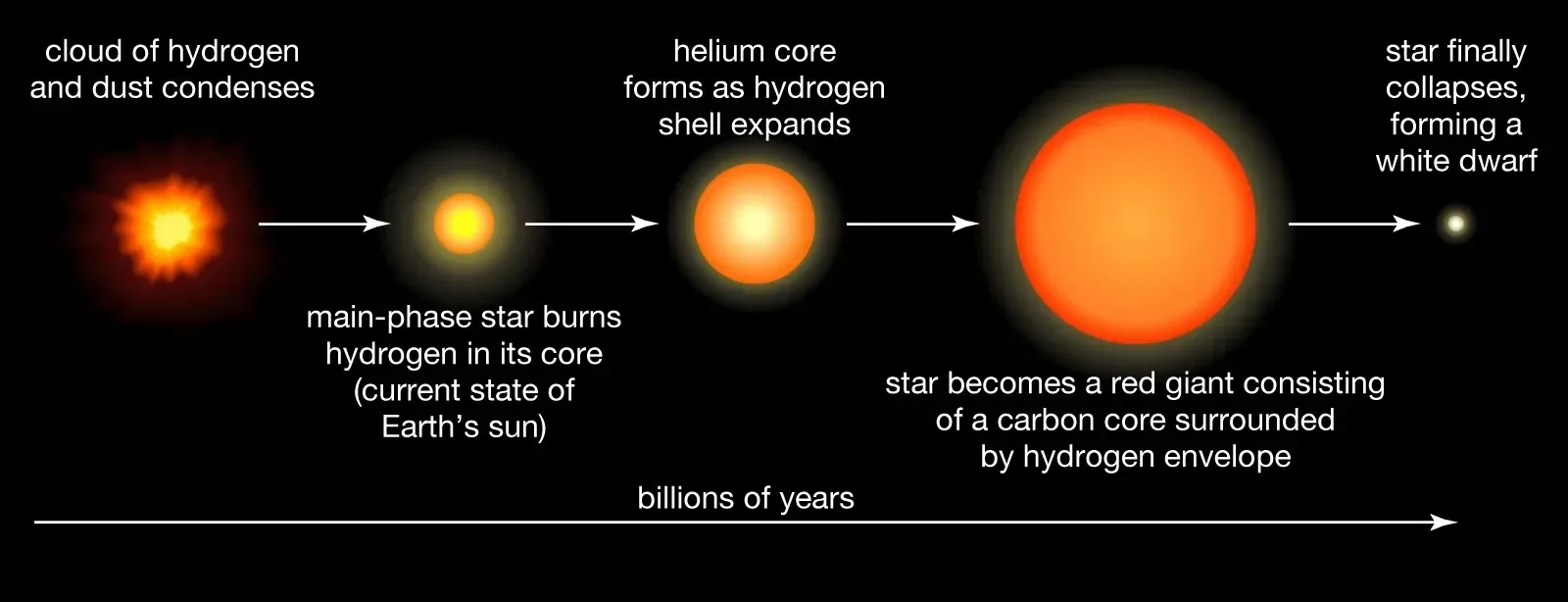
Main sequence stars, like our sun, are the most common type of stars in the universe. They are characterized by a stable balance between the inward force of gravity and the outward force of nuclear fusion in their cores. This balance allows them to maintain a relatively stable size and temperature, and to emit a steady stream of light and heat.
The temperature and mass of a main sequence star determine its color and size. Cooler stars, such as red dwarfs, are smaller and less massive than hotter stars, such as blue giants. The sun, for example, is a yellow star with a mass of about 1.98 x 10^30 kg.
As a main sequence star ages and begins to run out of hydrogen fuel in its core, it undergoes changes that cause it to expand and cool. This marks the beginning of the next stage in the star’s life cycle, the red giant phase.
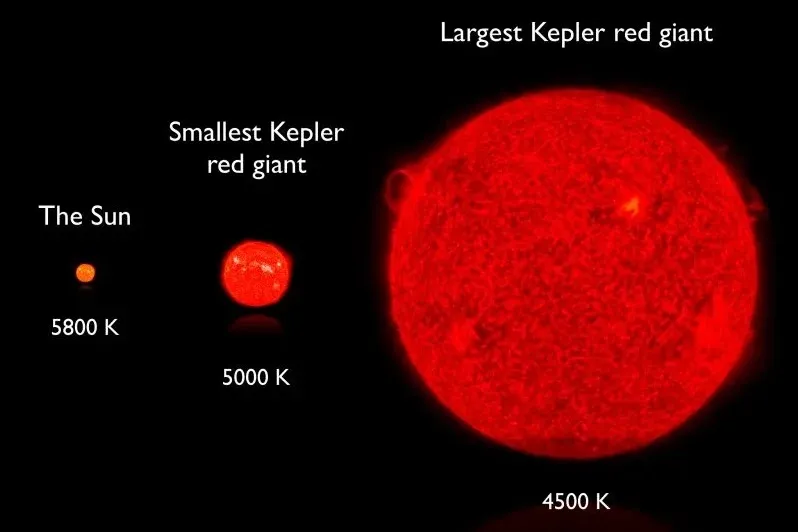
Red giants and supergiants are stars that have exhausted the hydrogen fuel in their cores and have begun to fuse heavier elements. During this phase, the star expands and cools, causing it to become much larger and brighter. The red giant phase is a relatively short period in the life of a star, lasting only a few million years.
Supergiants are even larger and brighter than red giants, and they are among the most massive stars in the universe. Their size and brightness are due to the fact that they have exhausted the hydrogen fuel in their cores and have begun to fuse heavier elements. This process generates an enormous amount of energy, causing the star to emit a tremendous amount of light and heat.
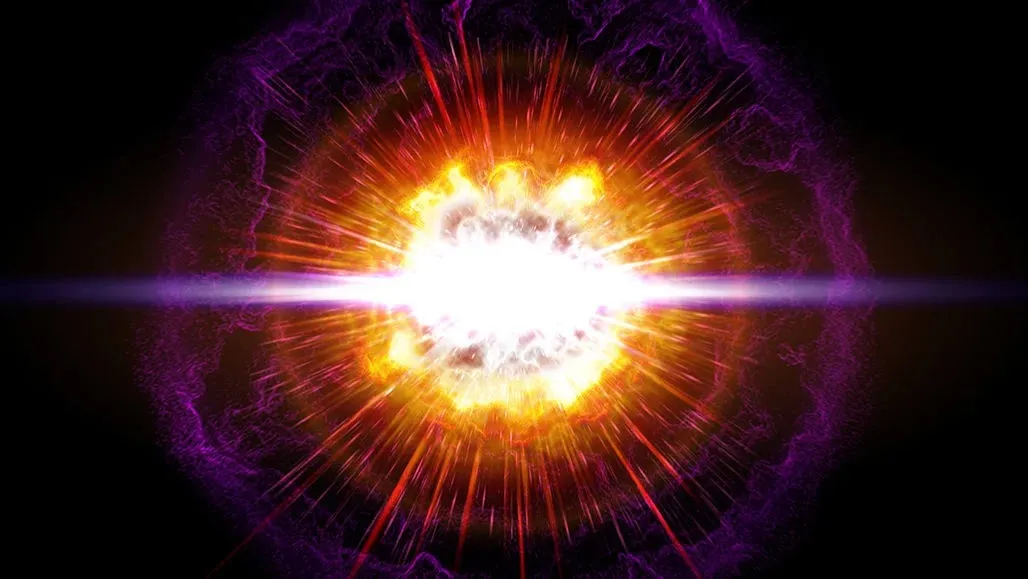
Supernovas are among the most spectacular events in the universe, marking the explosive end of a star’s life. When a star has exhausted all of its fuel and can no longer generate energy through nuclear fusion, it undergoes a catastrophic collapse. This collapse generates an enormous amount of energy, causing the star to explode in a brilliant supernova.
Supernovas are responsible for creating many of the heavy elements in the universe, including gold and platinum. They also play a crucial role in distributing these elements throughout the galaxy, as the explosion scatters them into space.
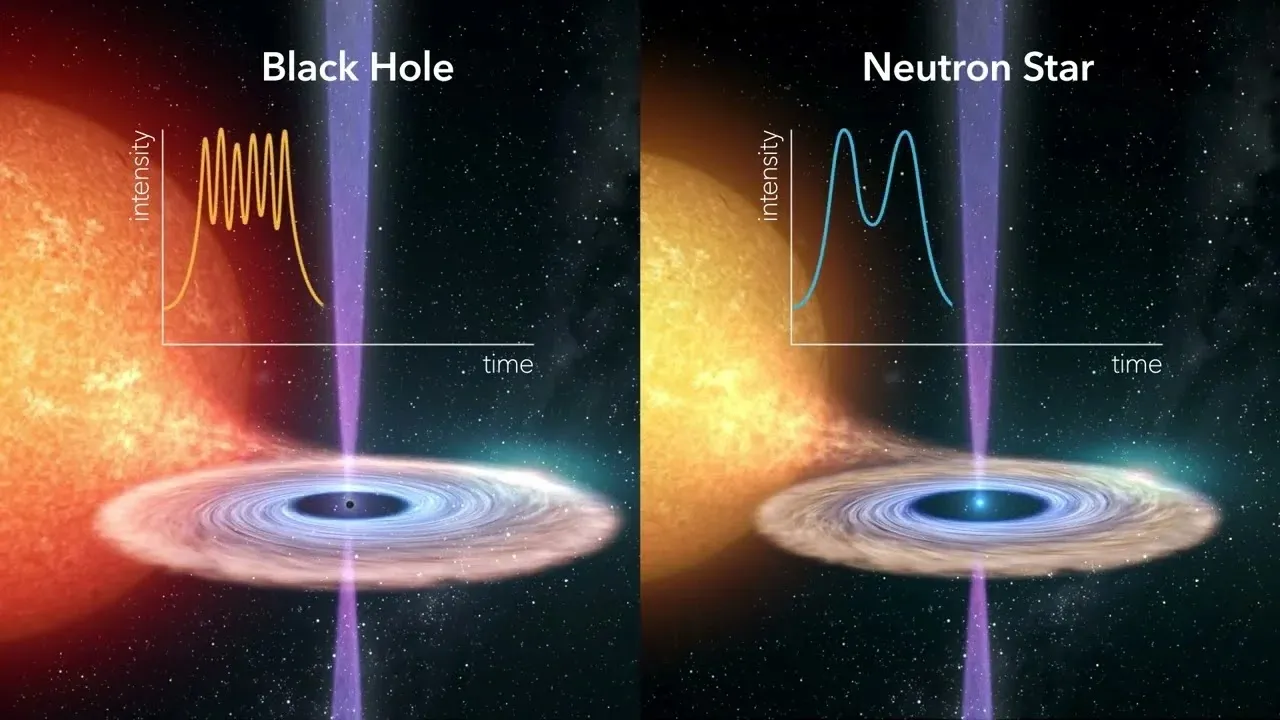
The remnants of a supernova are either a neutron star or a black hole, depending on the mass of the original star. Neutron stars are incredibly dense, with a mass of about 1.4 times that of the sun but a radius of only about 10 km. They are composed entirely of neutrons and are among the most exotic objects in the universe. Some of these rapidly rotating neutron stars emit beams of radiation and are known as pulsars; you can learn more about these fascinating remnants by exploring what are quasars and pulsars.
Black holes, on the other hand, are the most mysterious and powerful objects in the universe. They are created when a star collapses under the force of gravity, compressing its mass into an infinitely small point known as a singularity. The gravitational pull of a black hole is so strong that nothing, not even light, can escape it.
Stars play a crucial role in shaping the universe and in creating the conditions necessary for life to exist. They are responsible for generating the elements that make up everything around us, from the air we breathe to the water we drink. Without stars, life as we know it would not exist.
Stars also have a profound impact on the evolution of galaxies and the universe as a whole. They are the engines that drive the formation of galaxies, and they play a key role in regulating the temperature and chemical composition of the universe.
The study of stars and their life cycles is an ongoing field of research, with new discoveries being made all the time. Scientists are constantly working to understand the complex processes that shape the evolution of stars, and to develop new instruments and techniques that will allow us to explore the universe more deeply.
The research in astronomy is being accelrated with the help artificial intelligence (AI in modern astronomy). We can expect to get more new discoveries and get a deeper understanding of the stars and other celestial bodies.
The life cycle of a star takes over billions of years. Until the end of its life, the star continues to work and does fusion in the core, so that it doesn’t collapse due to its own gravity.
A star is born in the intense head and pressure. Without the intense pressure, the fusion process won’t start at the core. This perfectly sets with the phrase that a star (or a strong person) is born during tough times. During the entire life of a star, it spends most of its time as a main sequence star, in which it actively produces light and illuminates its star system. In the end a star becomes either a white dwarf or explodes as a supernova.
The atoms our body and everything around us made up of, was once the star dust - the remains of a dead star.