The Science Behind Constellations How They Form and Evolve
Explore how constellations are formed, their evolution over time, and the science behind the patterns we see in the night sky.
Explore how constellations are formed, their evolution over time, and the science behind the patterns we see in the night sky.
In the dark night sky, I have always been fascinated to see the twinkling stars. You might have also noticed the patterns in the night sky, made by the tiny blinking dots - we can form any shape that we like by joining them. But there are some special set of shapes registered in our history, folklores and now known as constellations. Let’s talk about it in detail.
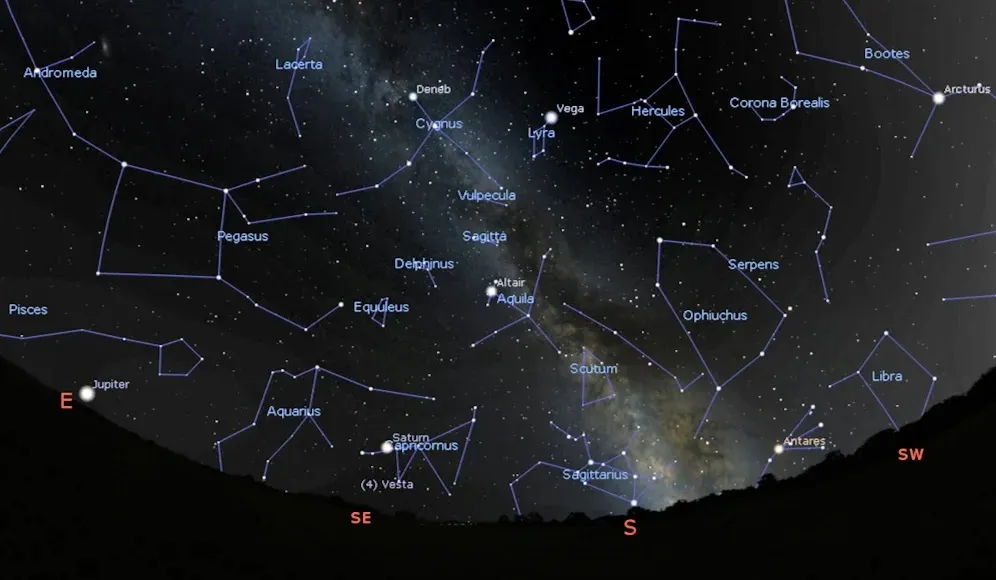
various constellations in the sky.
Constellations are groups of stars that form recognizable patterns in the night sky. These patterns have been named and identified by humans for thousands of years, often based on mythological or cultural significance. While the stars in a constellation may appear close together from our perspective on Earth, they are often actually located at vastly different distances from us since we are talking in terms of astronomical distances, which are much larger than our own solar system.
There are 88 modern constellations recognized by the International Astronomical Union (IAU). These constellations are visible from all parts of the world and are grouped into two main categories: northern constellations and southern constellations. The northern constellations are visible from most of the inhabited regions of the Earth, while the southern constellations are visible from areas with lower latitudes in the southern hemisphere. Each constellation has its own unique history and mythology behind it.
| Latin Name | English Name or Description |
|---|---|
| Andromeda | Princess of Ethiopia |
| Antlia | Air pump |
| Apus | Bird of Paradise |
| Aquarius | Water bearer |
| Aquila | Eagle |
| Ara | Altar |
| Aries | Ram |
| Auriga | Charioteer |
| Bootes | Herdsman |
| Caelum | Graving tool |
| Camelopardalis | Giraffe |
| Cancer | Crab |
| Canes Venatici | Hunting dogs |
| Canis Major | Big dog |
| Canis Minor | Little dog |
| Capricornus | Sea goat |
| Carina | Keel of Argonauts’ ship |
| Cassiopeia | Queen of Ethiopia |
| Centaurus | Centaur |
| Cepheus | King of Ethiopia |
| Cetus | Sea monster (whale) |
| Chamaeleon | Chameleon |
| Circinus | Compasses |
| Columba | Dove |
| Coma Berenices | Berenice’s hair |
| Corona Australis | Southern crown |
| Corona Borealis | Northern crown |
| Corvus | Crow |
| Crater | Cup |
| Crux | Cross (southern) |
| Cygnus | Swan |
| Delphinus | Porpoise |
| Dorado | Swordfish |
| Draco | Dragon |
| Equuleus | Little horse |
| Eridanus | River |
| Fornax | Furnace |
| Gemini | Twins |
| Grus | Crane |
| Hercules | Hercules, son of Zeus |
| Horologium | Clock |
| Hydra | Sea serpent |
| Hydrus | Water snake |
| Indus | Indian |
| Lacerta | Lizard |
| Leo | Lion |
| Leo Minor | Little lion |
| Lepus | Hare |
| Libra | Balance |
| Lupus | Wolf |
| Lynx | Lynx |
| Lyra | Lyre or harp |
| Mensa | Table mountain |
| Microscopium | Microscope |
| Monoceros | Unicorn |
| Musca | Fly |
| Norma | Carpenter’s Level |
| Octans | Octant |
| Ophiuchus | Holder of serpent |
| Orion | Orion, the hunter |
| Pavo | Peacock |
| Pegasus | Pegasus, the winged horse |
| Perseus | Perseus, hero who saved Andromeda |
| Phoenix | Phoenix |
| Pictor | Easel |
| Pisces | Fishes |
| Piscis Austrinus | Southern fish |
| Puppis | Stern of the Argonauts’ ship |
| Pyxis | Compass on the Argonauts’ ship |
| Reticulum | Net |
| Sagitta | Arrow |
| Sagittarius | Archer |
| Scorpius | Scorpion |
| Sculptor | Sculptor’s tools |
| Scutum | Shield |
| Serpens | Serpent |
| Sextans | Sextant |
| Taurus | Bull |
| Telescopium | Telescope |
| Triangulum | Triangle |
| Triangulum Australe | Southern triangle |
| Tucana | Toucan |
| Ursa Major | Big bear |
| Ursa Minor | Little bear |
| Vela | Sail of the Argonauts’ ship |
| Virgo | Virgin |
| Volans | Flying fish |
| Vulpecula | Fox |
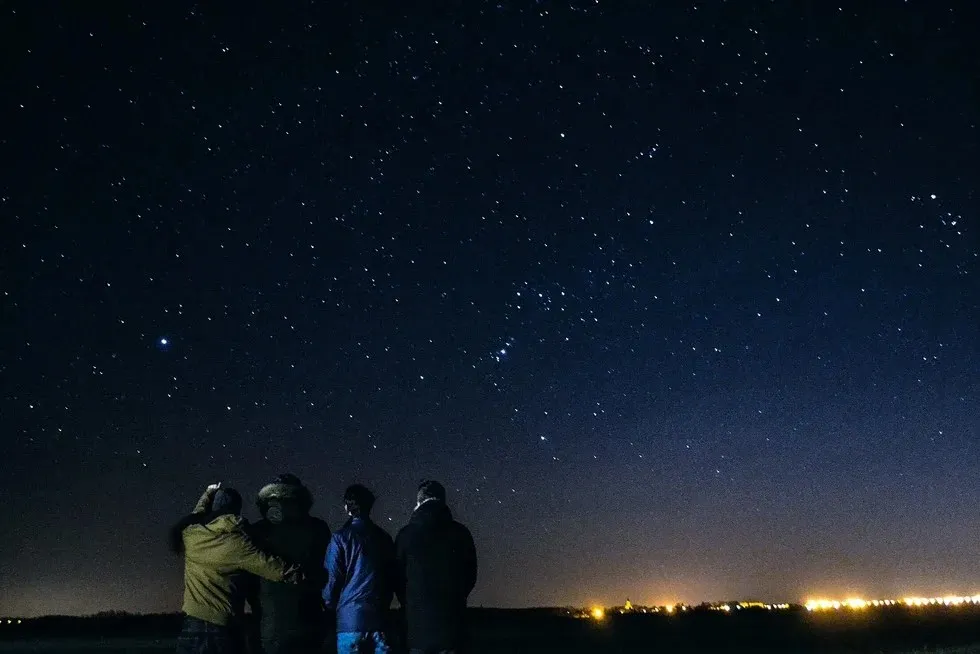
Constellations are something that form by some physical or chemical process. They are recognized by humans as per their perspective and given names accordingly to remember the star pattern.
These stars may not actually be physically close to each other, but their proximity in the night sky creates a recognizable pattern.
Some constellations were named and identified by ancient civilizations based on mythological or cultural significance, while others were identified by astronomers based on their scientific observations. Over time, the positions of the stars in a constellation may change due to their individual movements through space, causing the pattern to evolve.
Constellations are constantly evolving due to the individual movements of the stars that make them up. While the patterns of stars may have looked the same to ancient civilizations, over time, the positions of the stars change and the constellations can look quite different. This is due to the fact that stars have their own motion as they move through space on their own or as part of a group. Additionally, the perspective and orientation of Earth changes over time, which can also affect the way constellations appear in the night sky.
Some constellations may even disappear entirely as the stars that make them move too far apart. However, the changes are slow and imperceptible to the human eye, so the constellations we see today will likely remain recognizable for many generations to come.
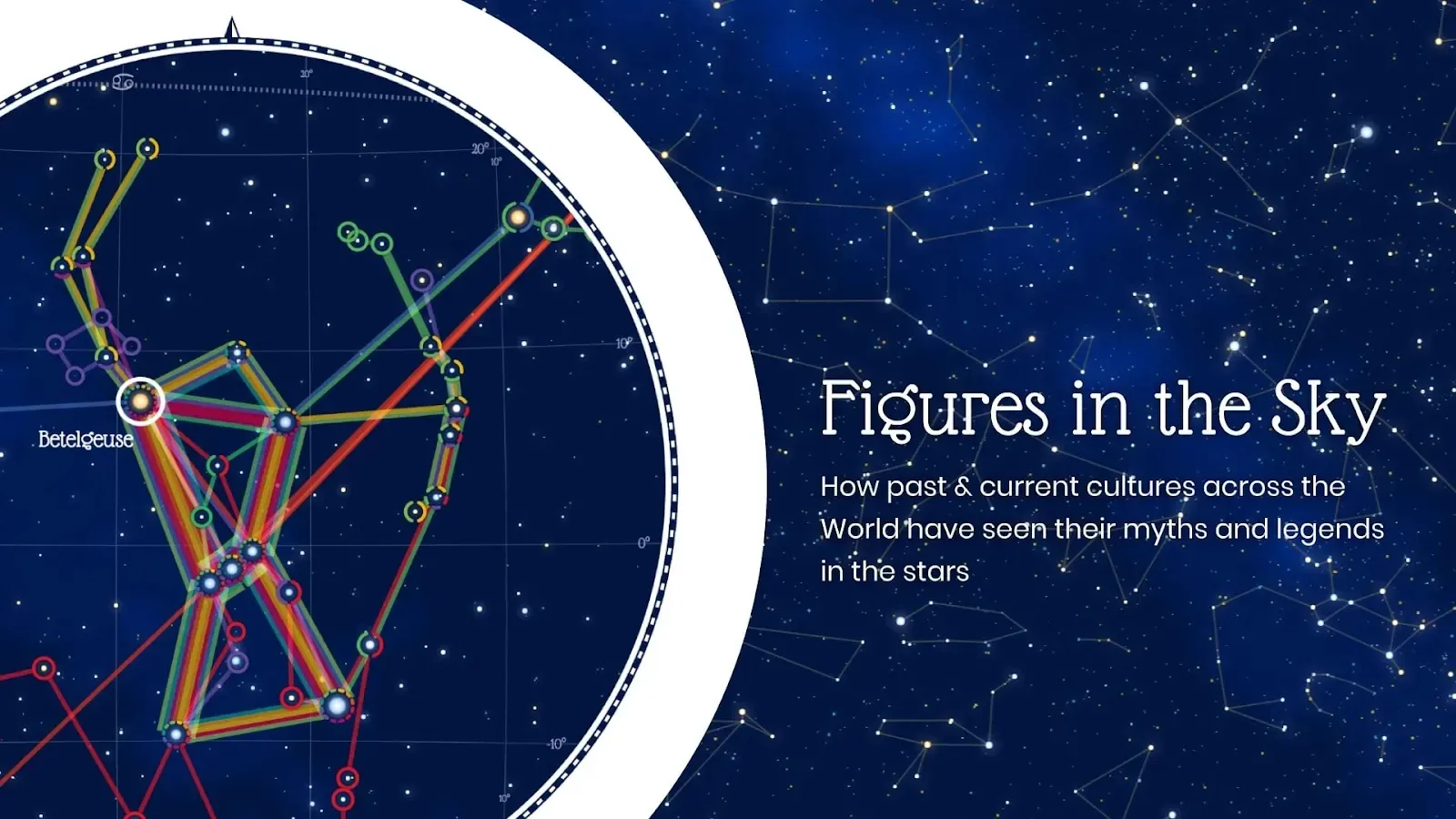
star patterns are related to different cultures since ages.
Constellations have played an important role in human culture for thousands of years. Constellations not only have a scientific significance, but they also hold cultural significance. Many ancient civilizations used them for navigation, agriculture, religious purposes, named and identified constellations based on their cultural beliefs and mythologies.
They were also often associated with myths and legends, with different cultures interpreting the same group of stars in different ways. For example, the constellation Orion was named after a hunter in Greek mythology, and the Big Dipper was seen as a Bear by many Native American tribes. The stories and beliefs associated with these constellations have been passed down through generations and continue to fascinate people today.
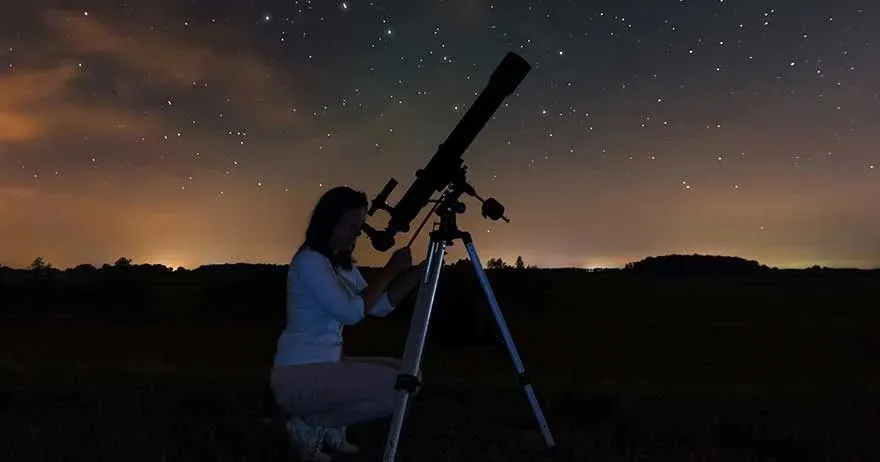
an astronomy enthusiast star gazing through a telescope in a clear night sky.
With advancements in technology, the future of studying and observing constellations is looking bright. Telescopes and other instruments are becoming more powerful and sophisticated, allowing astronomers to study and map the stars in greater detail than ever before. Additionally, space exploration and colonization efforts may lead to new discoveries and insights about the universe and its constellations. As our understanding of the cosmos continues to expand, so too will our appreciation and fascination with these celestial wonders.